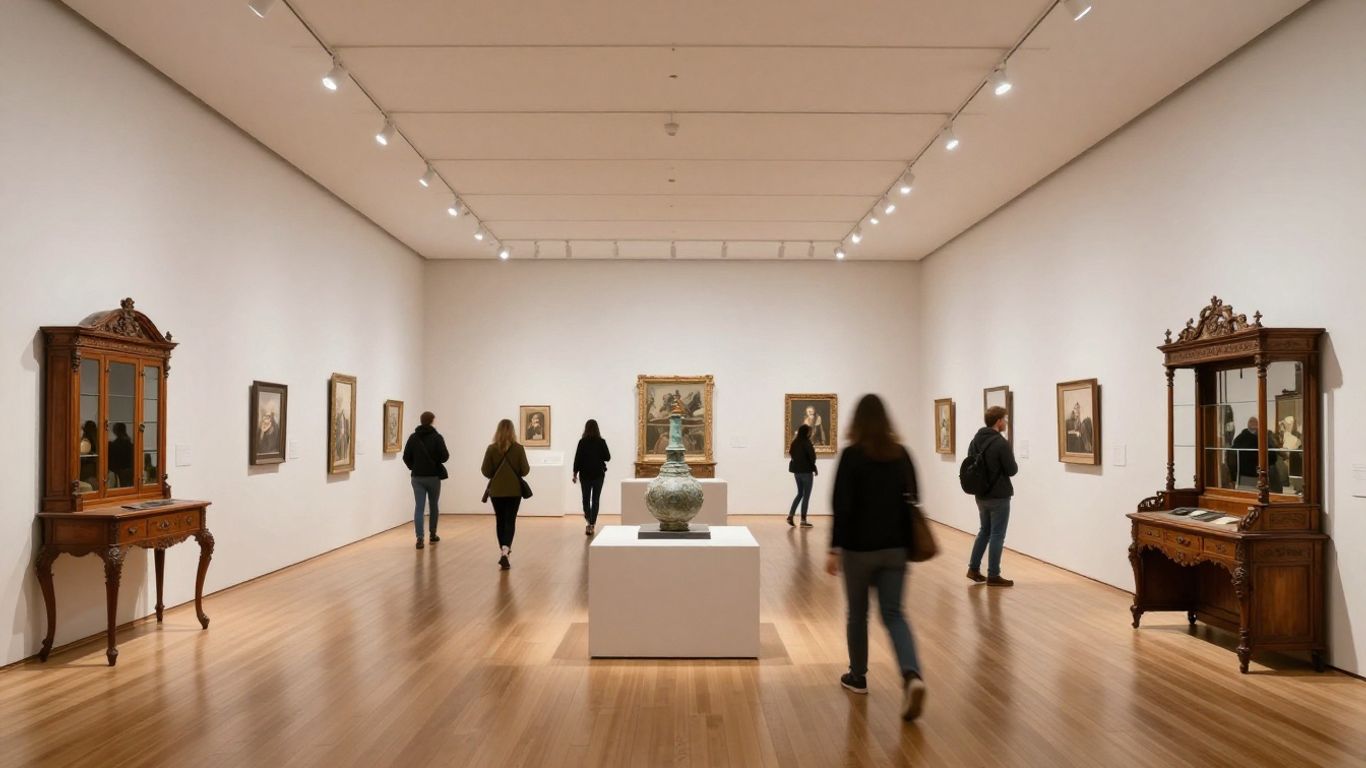
Implementing iterative user testing to refine exhibition flow
Key Takeaways
Modern cultural institutions are shifting their focus towards visitor-centric experiences to remain relevant, and our UX for Museums & Cultural Organisations approach helps them thrive. By prioritising accessibility, data-driven research, and inclusive design, museums can turn casual interest into long-term patronage.
Implementing iterative user testing to refine exhibition flow
Transitioning from static object displays to dynamic narratives
Leveraging accessibility audits to ensure equitable access
Integrating visitor feedback loops into exhibition design
Prioritising mobile-friendly digital touchpoints for current audiences
Defining UX for museums and cultural organisations
Shifting from object-centric to visitor-centric paradigms
Historically, institutions prioritised the preservation and display of artefacts over the needs of the individual visitor. This mindset is changing as Human-Centred Design can transform the way audiences perceive cultural history, moving from passive observation to active engagement. The goal is to design paths that guide users through information without overwhelming them, ensuring that the "why" is as clear as the "how".
The role of digital touchpoints in the visitor journey
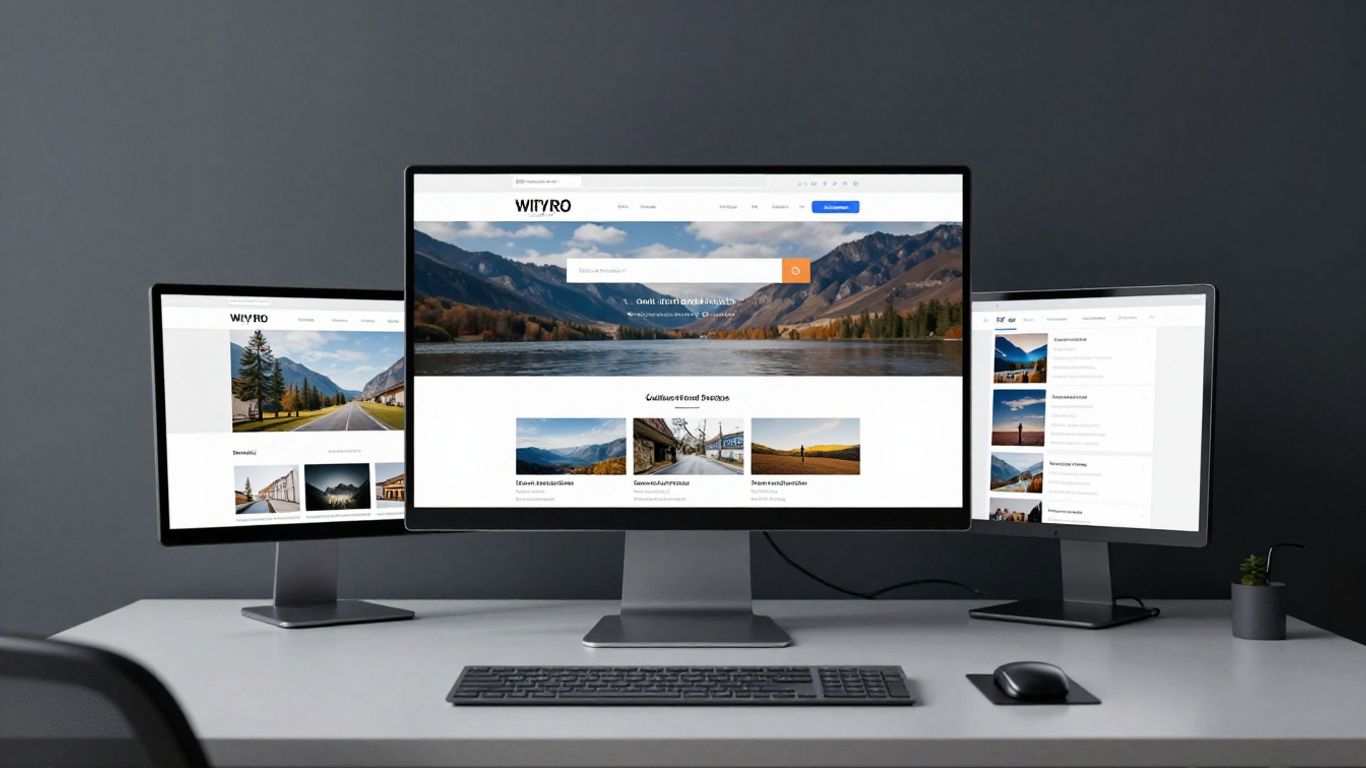
Digital presence often serves as the first point of contact, defining the brand long before someone steps through the doors. When a potential patron visits a website, the quality of their interaction should mirror the richness of the in-person exhibit. If digital assets are fragmented, this can hinder trust and discourage attendance. At Noran Design, we see this as a chance to connect operational efficiency with audience outreach.
Mapping the unique cultural institution ecosystem
Cultural entities operate under complex structures that require careful navigation and strategic planning. We compare traditional and experience-led models in our planning to ensure that all aspects of the visit—from ticket buying to post-visit content—are seamless. This helps clarify where resources have the highest impact.
Feature | Traditional Approach | Experience-Led Design |
|---|---|---|
Content focus | Preservation-first | Visitor-first |
Wayfinding | Fixed signage | Interactive paths |
Feedback loop | Annual surveys | Iterative testing |
By analysing these elements, institutions can move away from legacy silos and start building coherent, long-lasting connections with their communities.
Accessibility standards in cultural spaces
Designing for neurodiversity and cognitive accessibility
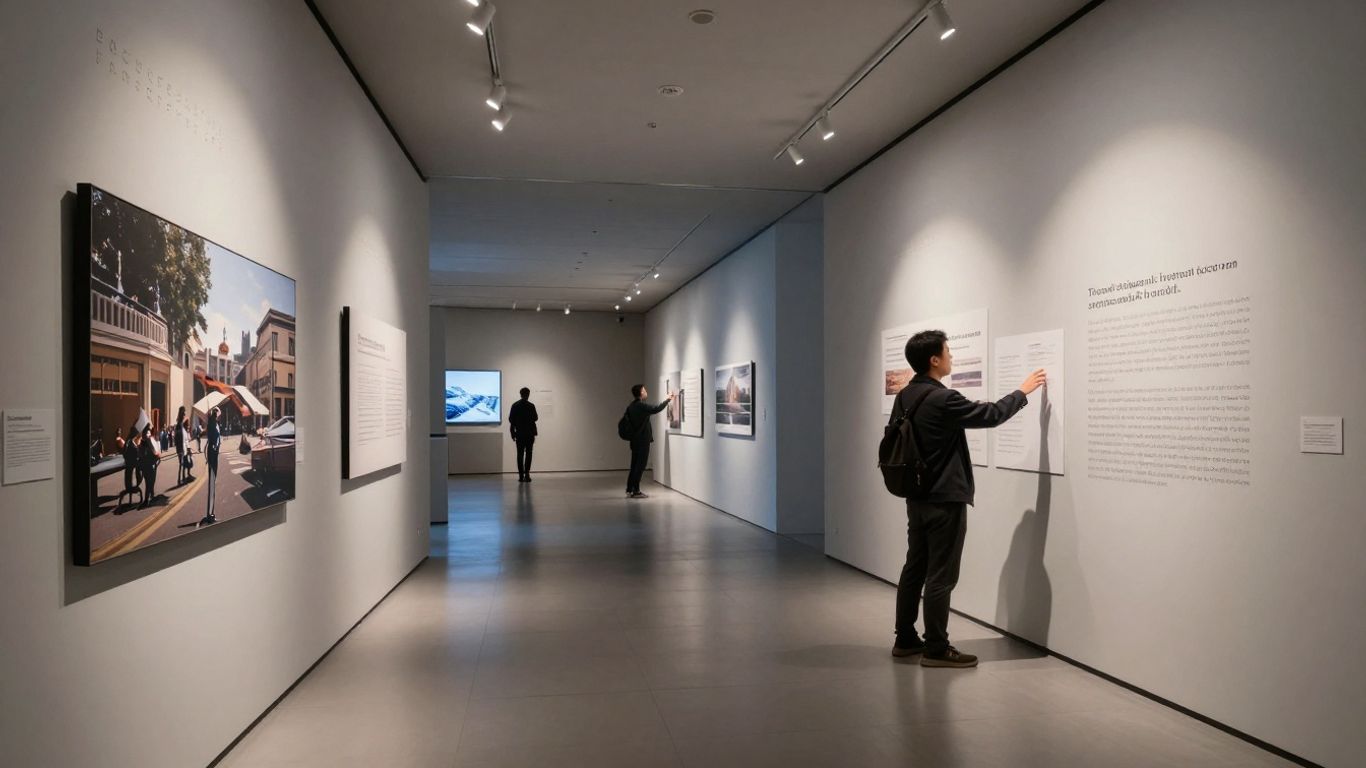
Accessible design extends beyond physical ramps; it encompasses sensory and cognitive requirements that allow everyone to absorb content comfortably. By considering the needs of neurodivergent visitors, designers create calm, navigable spaces that reduce cognitive load. This proactive approach ensures that every visitor feels welcomed, removing barriers that have traditionally existed for those not traditionally accommodated in gallery settings.
Integrating physical and digital assistive technologies
Bringing digital innovation to physical spaces allows for customised information delivery for diverse abilities. From audio descriptions that trigger automatically to haptic feedback devices, these tools bridge the gap between static displays and the needs of a modern audience. Implementing these technologies requires a deep understanding of infrastructure and a willingness to trial new methods of interpretation alongside traditional curation.
Adhering to WCAG guidelines for digital exhibits
Ensuring digital exhibits follow international accessibility standards is non-negotiable in an era of hybrid cultural consumption. We ensure that screen readers, adjustable text sizing, and high-contrast visuals are integral to every platform we build. This creates a foundation where accessibility is not just a checkbox but an essential aspect of exhibition design that grows alongside the organization.
Practical user research methods for the sector
Conducting observational studies in exhibition spaces
Watching how guests move naturally through an exhibition provides insights that surveys often miss. Observing where people pause, where they feel confused, and which labels are consistently skipped allows for granular adjustments to the space. UX design can transform these observations into concrete improvements that enhance the narrative flow.
Using qualitative interviews to uncover visitor motivations
While observation tracks behaviour, direct conversations reveal the intent behind those actions. By asking visitors what they hoped to gain from their experience, we can map out specific goals and pain points. Understanding these motivations allows teams to align programming with the actual desires of the community they serve.
Analysing visitor interaction data from digital platforms
Data provides a macro view of how audiences engage with digital tools, from ticketing portals to event pages. We look for patterns in navigation that reveal where users fall out of the funnel or struggle to find essential information. This data usage supports the growth strategies recommended by Noran Group Limited to ensure digital efforts are compounding rather than stagnating.
Designing inclusive visitor touchpoints
Creating intuitive wayfinding and physical navigation systems
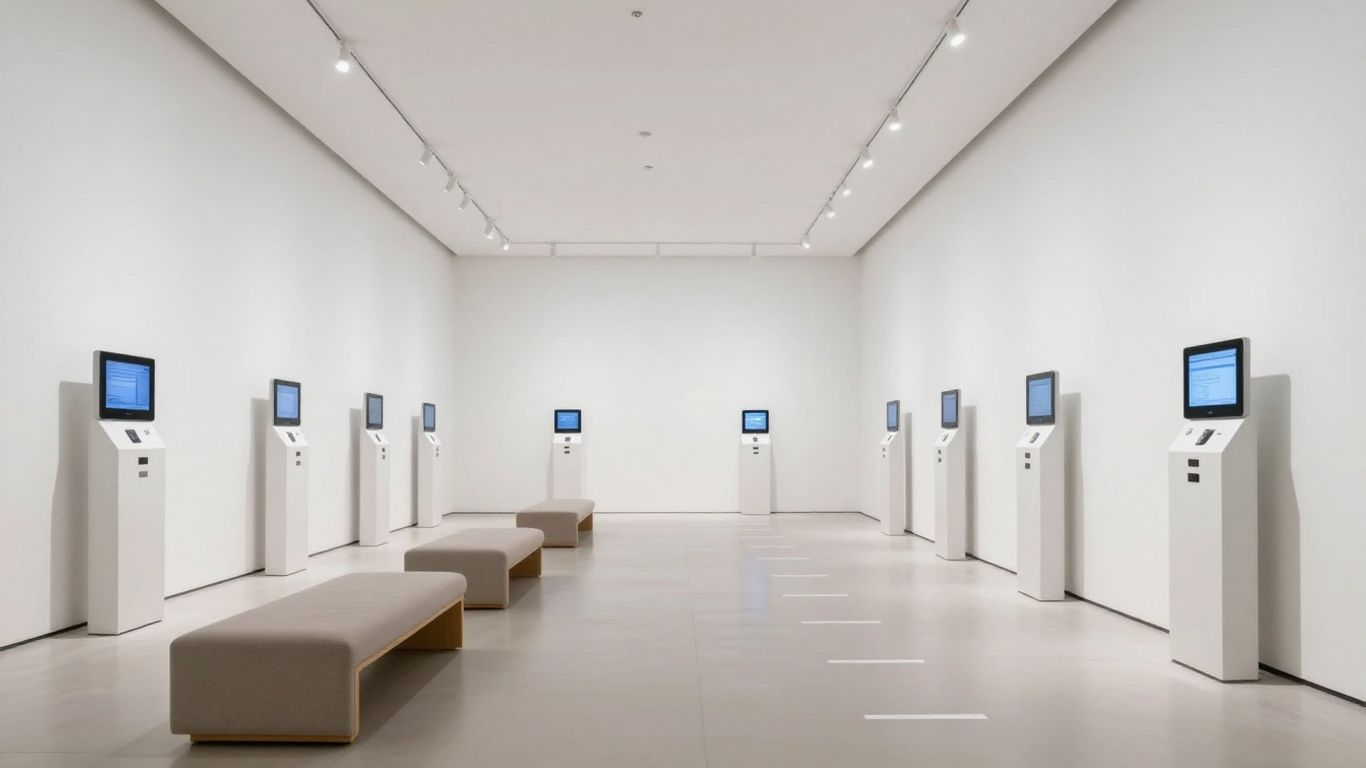
Getting lost in a museum can be a source of stress that detracts from the cultural experience. Intuitive wayfinding involves clear information architecture, both in terms of physical floor plans and logical exhibit layouts that feel natural. We often recommend a system that supports:
Dynamic signage that adapts to current traffic patterns
High-contrast visual cues for clear directional paths
Personalised guides that offer context-aware information
Integrated technology that provides real-time location assistance
By streamlining how visitors move through a space, we allow them to dedicate more focus to the collection itself.
Personalising interpretive content for diverse demographics
One size rarely fits all; content needs to be layered to appeal to casual visitors, academic researchers, and families alike. Personalisation ensures that information is presented at the right depth for different audience segments. This builds a deeper sense of connection between the visitor and the exhibits, encouraging return visits.
Optimising mobile web and app integration for galleries
Mobile devices have become essential companions in modern cultural exploration, yet many institutions struggle with poor site performance. Making sure that mobile interfaces are fast, accessible, and informative helps bring your digital strategy into line with high-quality in-person experiences. Readers can find more guidance on this in our UX strategies for cultural institutions overview.
Navigating constraints in cultural heritage projects
Balancing conservation goals with interactive design
Design choices in historic settings must respect delicate architecture and conservation requirements, which can limit the scope of installation. Balancing these limits with the need for modern interactivity requires careful, collaborative planning. The goal is to enhance the presentation of the art without compromising the integrity of the building.
Managing legacy systems and technical infrastructure
Many heritage projects grapple with outdated, fragmented technology that hinders agility. Updating these systems to support modern web and mobile interactions is often the biggest hurdle to growth. By focusing on sustainable digital infrastructure, we help organisations move beyond sporadic, short-term fixes and toward long-term operational health.
Ensuring long-term accessibility of digital tools and exhibits
Technologies evolve, but digital accessibility standards must remain consistent to ensure longevity. We prioritize open, interoperable formats that won't become obsolete within a few seasons. This commitment to maintenance makes digital strategy and UX a reliable foundation for all future organisational development.
Measuring success through UX metrics
Tracking dwell time and visitor engagement levels
Metrics such as dwell time provide a tangible measure of how successfully an exhibition captures attention. While numbers alone don't tell the whole story, they act as indicators for where deeper qualitative investigation is required. Comparing these metrics year over year helps track the effectiveness of design updates.
Evaluating accessibility through iterative user testing
Standard accessibility testing should be part of every exhibition cycle, involving real users across a range of abilities. This iterative process allows designers to identify bottlenecks and correct them before they negatively impact the visitor experience. Consistent testing is how we ensure that institutional standards keep pace with community needs.
Integrating qualitative feedback into exhibition loop revisions
Closing the loop by feeding visitor insights directly into the next design phase creates a culture of improvement. This ensures that every project builds on the lessons learned from the last, resulting in institutional growth that is steady and sustainable. As a strategic design and digital growth studio, we know that continuous refinement is the hallmark of a resilient institution.
Conclusion
Building an impactful cultural experience requires a blend of empathy, technical rigour, and a persistent focus on the user. By ensuring that digital systems serve the physical exhibit and that accessibility is woven into the very fabric of the visitor journey, institutions can create truly welcoming spaces that resonate long after the visit ends.
Frequently Asked Questions
Why is UX design important for museums?
Museums are increasingly competing for attention, and a well-designed UX ensures that visitors can find, engage, and connect with content without unnecessary confusion or frustration.
How does visitor psychographic research change exhibit design?
Understanding visitor values, biases, and attitudes allows institutions to tailor narratives and spatial flow to the specific needs of their audience rather than assuming one approach works for everyone.
Can accessibility measures enhance the experience for all users?
Yes, inclusive design features—such as clear signage, improved lighting, and accessible digital content—benefit all visitors by reducing cognitive load and improving ease of movement.
How can a museum bridge the gap between its website and physical space?
By ensuring that digital information is as well-curated and accessible as the in-person content, museums create a cohesive brand story that prepares visitors for their actual encounter with the exhibits.
What are the main limitations in cultural heritage UX projects?
Projects often face constraints in physical site conservation, legacy technology, and budget limitations, all of which require a balance between innovative goals and practical, conservative implementation.
Why should museums invest in iterative user testing?
Iterative testing helps identify problematic areas in real-time within an exhibition space, allowing for improvements that make the final experience more intuitive and welcoming for the general public.
Is mobile integration necessary for non-digital galleries?
Even in traditional galleries, mobile devices are frequently used for information, ticketing, and navigation, making optimized digital touchpoints crucial for supporting the overall visitor journey.