Streamlining documentation to replace siloed legacy software systems.
Key Takeaways
Transitioning to a unified platform can resolve common operational bottlenecks within creative sectors by centralising fragmented workflows and scaling effectively alongside institutional growth. Achieving success often requires deliberate governance and a focus on long-term systemic health rather than short-term fixes for digital fragmentation.
Streamlining documentation to replace siloed legacy software systems.
Customising workspace structures for diverse creative and administrative teams.
Centralising project management for complex theatre and exhibition cycles.
Enhancing digital asset management through searchable, integrated archives.
Strengthening institutional governance via clear naming and permission standards.
Why arts organisations are adopting Notion
Many modern creative institutions are seeking ways to unify their operations and reduce the complexity that comes from managing numerous disparate tools. By adopting a single platform, these groups can improve visibility across departments and ensure that both artistic visions and administrative needs are aligned in one cohesive space. Professionals at Noran Design often observe that teams who consolidate their digital infrastructure experience less friction when scaling, allowing them to focus more on their primary creative output rather than troubleshooting software gaps.
Replacing siloed legacy software
Legacy software often traps vital performance information in disconnected folders or email threads, hindering the flow of communication. Moving to a unified system allows staff to aggregate information into a single, accessible source of truth that is both dynamic and intuitive.
The cost-effectiveness of customisable workspaces
Instead of paying for a bloated suite of niche applications, organisations can often reduce their overhead by utilizing a highly adaptable tool that grows with them. This financial efficiency helps ensure that resources are directed back into funding shows or exhibitions rather than monthly subscription costs.
Bridging the gap between creative and administrative teams
Effective collaboration between curators and administrators depends on shared understanding and clear documentation. By establishing a bridge between these groups, leadership can ensure that creative milestones are tracked in a way that respects the logistical deadlines faced by business departments.
Scalability for small troupes and large institutions
Whether working in a small troupe or a larger gallery, the ability to tailor a database to specific needs remains a significant competitive advantage for creative teams. Adapting processes as staff counts change ensures that digital operations remain sustainable over time without a total overhaul of the existing system.
Structuring project management for theatre and exhibition cycles
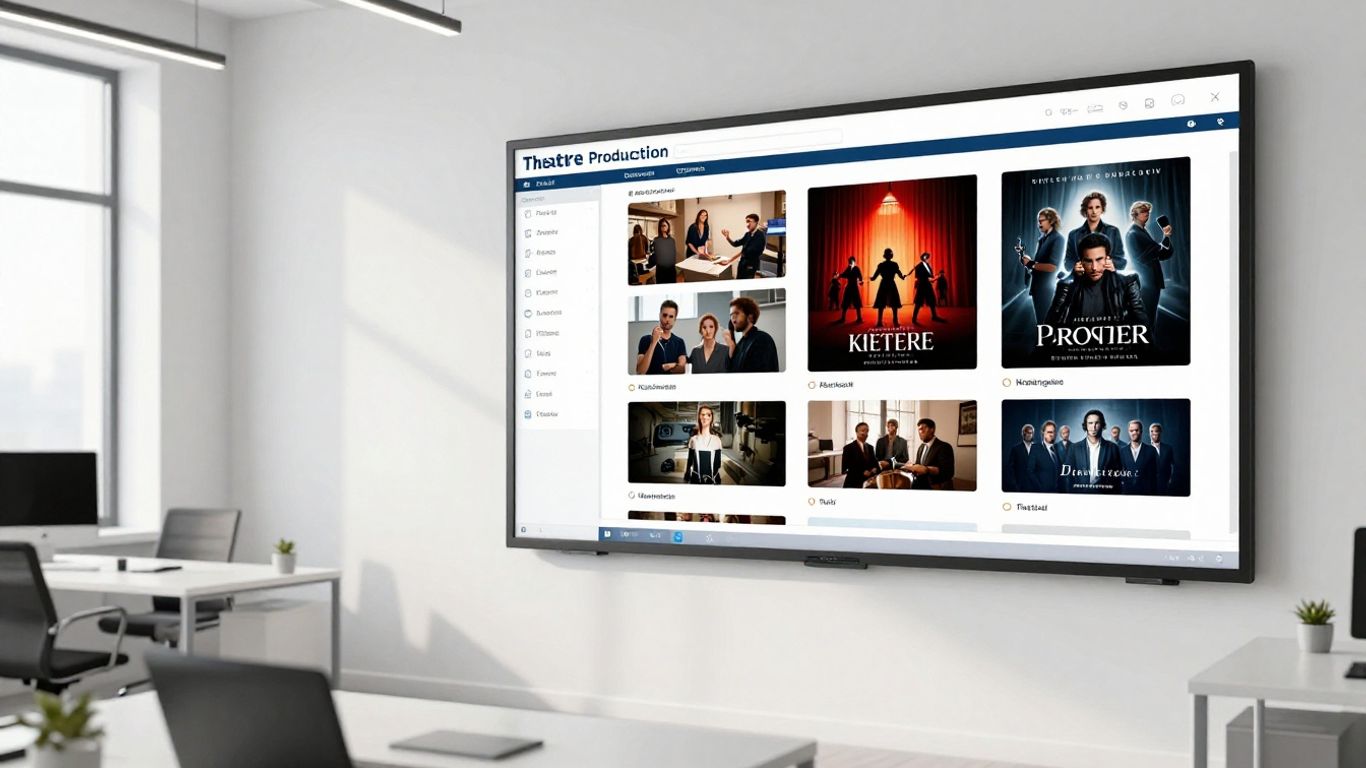
Developing a robust project management system for seasonal cycles requires balancing the high-pressure nature of opening nights with the slow, deliberate work of long-term artistic planning. Noran believes that teams benefit most when they build foundations that capture every minute detail, turning abstract creative workflows into tangible, measurable progress. By structuring these cycles carefully, organisations avoid the risk of burnout.
Designing timelines for seasonal programming
Seasonal scheduling requires a birds-eye view of every show, exhibition, and workshop planned for the year ahead. Having this data visualised on a shared calendar enables teams to spot potential resource conflicts well in advance of a production start date.
Coordinating complex grant application workflows
Grant management demands impeccable tracking of deadlines, documentation, and reporting requirements to ensure that vital funding remains secure. Maintaining this information in an organized table helps managers keep track of status, deadlines, and responsibilities.
Grant Name | Submission Date | Status | Lead Contact |
|---|---|---|---|
Arts Council Support | 2026-08-15 | Pending | Production Manager |
Regional Culture Fund | 2026-09-02 | In Progress | Financial Controller |
Venue Development Grant | 2026-10-10 | Not Started | Curator |
This structured approach allows teams to prioritize high-impact proposals while maintaining transparency across the institution regarding project funding health.
Tracking production budgets alongside creative milestones
When administrators and directors monitor budgets and creative progress side by side, they can make informed decisions about resource allocation in real-time. This prevents the common issue of discovering budget overruns only after key creative materials have already been commissioned or produced.
Automated reminders for licensing and venue deadlines
Setting up automated notifications for critical milestones, such as contract renewals or licensing deadlines, helps maintain operational continuity. These reminders act as a safety net, ensuring that no essential business task is missed during the hectic months leading up to a production.
Managing personnel and volunteers in a flexible environment
Effective management of staff and volunteers is essential for maintaining a positive institutional culture and ensuring that everyone has the information they need to succeed. By centralising documents, managers can reduce the time spent on manual administrative tasks and focus on building rapport with their team. When staff feel supported, their engagement with the institution deepens, which is crucial for long-term retention.
Creating a centralised onboarding hub for new staff
An onboarding area provides new contributors with instant access to the essential knowledge required to thrive within the organization from their very first day. This space typically includes role-specific documentation, team contact sheets, and a clear guide to the organisation's internal mission.
Scheduling rehearsals and volunteer shifts
Managing schedules often involves balancing the availability of a diverse group of stakeholders, which is best handled through clear, user-focused visibility. Providing a unified interface where everyone can view their upcoming commitments helps reduce absenteeism and keeps rehearsals or shifts running smoothly.
Documenting internal communications and brand guidelines
Preserving brand consistency requires that all team members have access to up-to-date resources and tone-of-voice documentation at all times. Centralising these assets ensures that communications remain polished and aligned with the institution’s established public image.
Maintaining secure directories for cast and crew data
Managing personal information requires strict attention to privacy and access controls to ensure the security of sensitive data. Implementing restricted access means that only authorized personnel can view detailed contact rosters and sensitive personnel documentation.
Building a digital asset management system
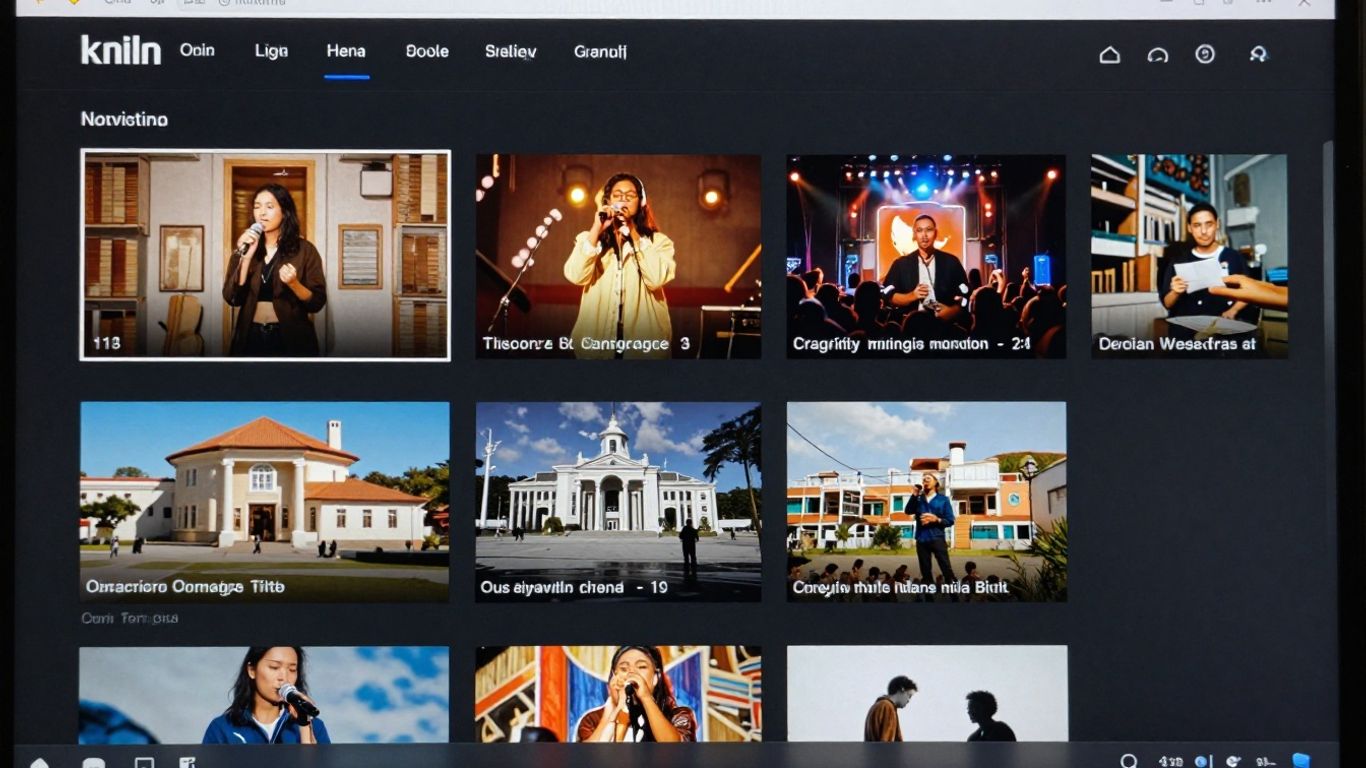
Finding the right tools to archive valuable performance history and marketing assets can transform how an institution interacts with its past. Efficiently managing these files saves staff hours that might otherwise be spent digging through hard drives or email attachments. It is a fundamental part of the professional operating model practiced by Noran to help institutions build systems that improve daily operations.
Organising high-resolution media and marketing collateral
Centralised media storage ensures that high-quality photography and design files are easy to locate for press releases or programme production. This accessibility is key to maintaining consistent visual branding across all marketing channels.
Creating a searchable archive for past performances and exhibitions
Building an accessible archive allows researchers and future production teams to audit exactly what was achieved in years past, including design details and performance statistics. To maintain this archive, teams should follow several core principles:
Assign a unique ID to every performance cycle or exhibition period.
Tag assets with relevant categories such as Genre, Director, or Date.
Maintain a standardized directory structure for all media uploads.
Conduct quarterly reviews to purge outdated or duplicate assets.
Following these steps ensures that the archive grows in utility rather than becoming a source of digital clutter as the years pass.
Managing content calendars for social media and newsletters
Detailed content calendars allow marketing teams to plan their outreach months in advance while maintaining a consistent voice. By tracking social media postings and email newsletters in the same tool used for project planning, marketers can ensure that their messaging stays relevant to ongoing programs.
Integrating third-party storage for heavy design files
Linking lightweight task management with secure third-party storage allows teams to handle massive media assets without degrading performance. This hybrid approach provides the portability needed for design files while keeping the project meta-information easily searchable.
Expanding collaboration to external partners
Successfully working with external artists or funders requires maintaining a balance between openness and security. Providing a space for collaboration ensures that information flows efficiently, which minimizes the back-and-forth that often delays progress on contract negotiations or technical planning. Clear collaboration is key to fostering long-term partnerships with touring agents and venues.
Setting up restricted client portals for donors and funders
Creating dedicated portals allows stakeholders to review specific milestones or reports without needing access to the wider internal system. This approach protects sensitive institutional data while still providing donors with the insight they need to remain engaged with the mission.
Streamlining communication with touring agents and venues
Standardising the exchange of information speeds up the settlement process for tours while reducing the number of manual emails sent. A common interface ensures that both parties are looking at the same venue information and contract details, reducing potential misunderstandings.
Managing guest artist contracts and technical riders
Contract management is easier when all legal documents, technical requirements, and communication logs are stored in a single place. Keeping these files directly attached to a specific artist project record ensures that everyone involved in technical coordination has the most current information available.
Providing collaborative workspaces for freelance consultants
Consultants offer valuable services that often require temporary access to specific parts of the project database to complete their work efficiently. Granting controlled access allows these experts to collaborate seamlessly, ensuring that project objectives remain on schedule without sacrificing internal system integrity.
Best practices for governance and implementation
Maintaining a healthy digital environment requires ongoing governance and a commitment to keeping systems tidy as the agency grows. Without these practices, databases can quickly become overwhelming, eventually leading to lower adoption rates among staff members. Teams that implement these standards early see the greatest return on their investment in digital infrastructure.
Developing clear database naming conventions
Uniform naming across every database helps all team members find what they need without confusion or repetitive searching. Simple, predictable naming patterns should be set early and communicated to every new staff member during their orientation process.
Implementing permission levels for sensitive data
Careful control of permissions protects the integrity of confidential information while allowing general access for wider team collaboration. Establishing distinct roles ensures that internal data is kept secure even when working with external partners or guests.
Training non-technical team members on Notion features
Successful institutional adoption of a Notion workspace depends on how effectively team members are trained and encouraged to use the system. Investing in focused documentation and short training sessions provides staff with the confidence needed to integrate digital habits into their daily routines.
Regularly auditing database performance and usage
Consistent maintenance of the digital ecosystem is vital for ensuring that it remains performant as it expands over time. Scheduled reviews help identify which tools are still providing value and which areas of the system might require adjustment or re-organisation to suit changing operational needs.
Conclusion
Adopting a modern system to manage institutional operations is rarely about the software itself but rather about the intent to create sustainable workflows for the entire team. By focusing on clean data, clear permissions, and consistent governance, arts organisations can reclaim time once spent on administrative friction and dedicate that energy to creating high-impact art. Whether through streamlining complex grant applications or centralising the archives of past performances, digital structure empowers teams to focus on their creative potential, ensuring the institution remains resilient and effective as it grows into the future.
Frequently Asked Questions
What is the first step for an arts organisation to move away from legacy software?
The most effective starting point is a thorough audit of your current information flow to identify exactly what data is currently siloed, followed by the selection of a core system meant for consolidating that information into a single home.
How can creative teams ensure their digital workspace does not become disorganized?
Setting and strictly maintaining naming conventions for all databases and files is essential, as is conducting regular audits to remove dead content, update permissions, and simplify navigation for new users.
Do arts organisations need to hire specialist staff to maintain these systems?
While some larger institutions might recruit dedicated administrators, most organizations can build and maintain these systems through internal training and clear documentation, provided that a consistent governance plan is enforced.
What are the main benefits of using a unified tool instead of niche software?
Consolidating into a unified environment reduces both financial overhead from paying for multiple subscriptions and the operational friction that occurs when staff must switch between too many different portals to find simple information.
How can teams balance security with the need for external collaboration?
By leveraging granular permission levels, administrators can grant external partners and consultants access only to the specific pages or databases they require for their work, ensuring that institutional data remains protected elsewhere.
Is this type of system suitable for very small performance groups?
Yes, because the flexibility of these tools allows even the smallest teams to build simple yet effective frameworks that can gradually grow in complexity as the group’s work expands and their administrative needs evolve.
How long should an institution expect the transition process to take?
The duration depends on the volume of existing data, but a phased approach—starting with a single high-priority department like project management—is often more successful and less disruptive than attempting a total organizational migration in one effort.