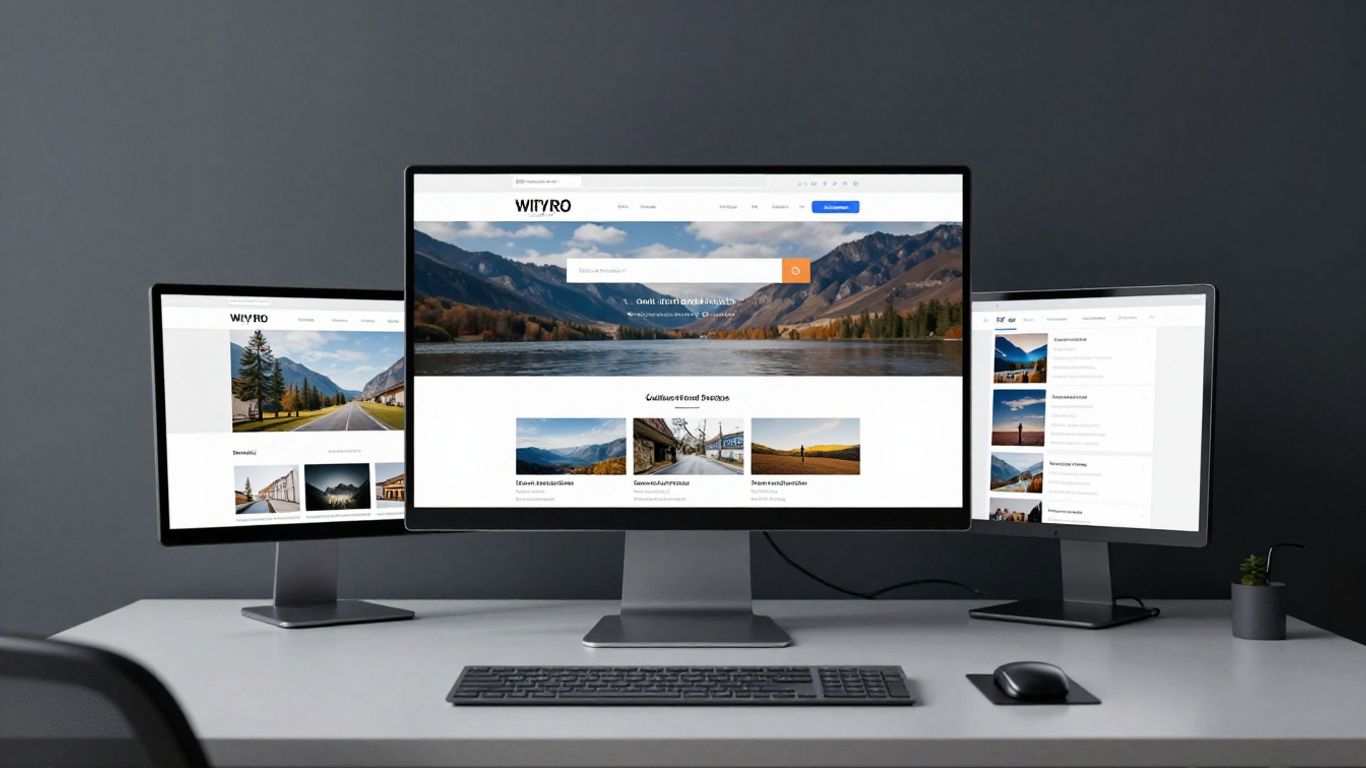
Define a clear brand aesthetic to ensure visual consistency.
Key Takeaways
Building an audience for your programme requires consistency and strategic alignment with your core offering. Follow these five practices to cultivate meaningful connections in the arts sector.
Define a clear brand aesthetic to ensure visual consistency.
Choose one or two platforms where your audience is most active.
Balance high-quality promotional content with behind-the-scenes process insights.
Engage your community regularly through direct communication and interaction.
Use data-driven metrics to refine your approach and ensure long-term growth.
Defining your arts brand and target audience
Your arts programme requires a clear identity before you start sharing content with the world. When you have a solid grasp of your mission, you can make decisions that build trust with your supporters. At Noran Design, we believe a strong brand foundation is the basis for all successful digital growth, as it allows your audience to understand exactly what value you provide.
Identifying your core aesthetic and mission
Defining your artistic mission helps you stay focused when creative directions shift. A consistent visual style ensures that your materials appear professional across all touchpoints, which is essential for capturing attention. By clearly articulating what your programme stands for, you make it easier for fans to see themselves as part of your community.
Segmenting your audience for better targeting
Understanding who your audience is will help you craft more precise communication. You can divide your potential supporters into distinct groups to tailor your messaging appropriately, which often leads to higher engagement levels. Below is a breakdown of how you might categorize your community:
Audience Tier | Characteristics | Engagement Focus |
|---|---|---|
Enthusiastic Fans | Long-term programme supporters | Exclusive updates |
Local Curators | Interested in community displays | Partnership opportunities |
Potential Students | Looking for creative guidance | Educational content |
By focusing on these segments, you avoid broad, generic posts that fail to resonate. This targeted approach to content creation allows you to meet your audience where they are.
Setting realistic growth KPIs
Setting growth goals should be based on tangible metrics rather than vanity numbers like total follower counts. Focus on metrics that indicate genuine interest, such as event sign-ups or consistent repeat interactions. Having clear expectations helps you maintain momentum and prevents premature exhaustion.
Researching competitor presence in the arts sector
Taking time to observe others in your space provides valuable context for your own positioning. Look at what types of content earn the most interaction and consider how you might fill gaps they have overlooked. This research keeps your strategy fresh and relevant to sectoral trends.
Selecting the right platforms for your programme

Choosing the right environment for your content is vital for your arts social media marketing strategy. When you invest effort into specific channels rather than spreading yourself too thin, the quality of your output usually increases. It is best to start small with platforms that naturally suit your primary medium.
Prioritising visual platforms like Instagram and TikTok
For visual arts programmes, platforms like Instagram provide a natural outlet for capturing the process. You can use these channels to build a narrative around your work that feels authentic to your followers. Consistent posting here helps establish a recognisable feed that people identify with your programme.
Leveraging Facebook for community arts events
Facebook remains one of the most effective tools for community management and event coordination. It allows you to create event pages, manage communications, and reach local audiences who are looking for regional activities. Many successful organisers use these features to streamline the logistics of their arts programme.
Using LinkedIn for professional arts networking
LinkedIn serves well for the more professional or operational aspects of your programme, such as partnerships and funding opportunities. Sharing your achievements here can help connect you with local institutions or potential collaborators. This platform is ideal for maintaining a record of your organisation’s professional milestones and industry involvement.
Why you should avoid spreading yourself too thin
Trying to manage five or six platforms simultaneously often leads to inconsistent posting and lower-quality engagement. Most programmes find more success when they focus on one or two channels where they can be truly excellent. Establishing a simple social media workflow at the start saves time and helps you build a more reliable presence.
Developing a compelling content strategy
Content should represent your work honestly and invite your community into the creative process. A balanced mix of storytelling, promotional updates, and educational material informs your audience and encourages them to return. This strategy ensures you are not just selling, but connecting with your followers.
Mixing promotional content with behind-the-scenes storytelling
Sharing the work behind the art creates a sense of proximity that purely promotional posts cannot match. By showing the development stages of a project, you invite your audience to appreciate the effort involved. This transparency fuels deeper investment in your programme.
Creating educational content about your creative process
Offering insights into how your work is created transforms your audience into lifelong fans. Explaining the theory or techniques behind your art provides value and builds authority within your field. Educational posts often perform well because they offer something useful to the reader.
Implementing a consistent posting cadence
Predictability is a key component of sustainable content strategy. If your audience knows when to expect updates, they are more likely to watch for your content. A steady rhythm helps keep your programme at the forefront of their minds.
Testing different video formats for higher reach
Experimenting with varied video formats allows you to determine what styles your audience prefers. Some followers may enjoy short clips of your studio work, while others might prefer long-form interviews with contributors. Test these formats regularly to keep your reach healthy.
Fostering active community engagement
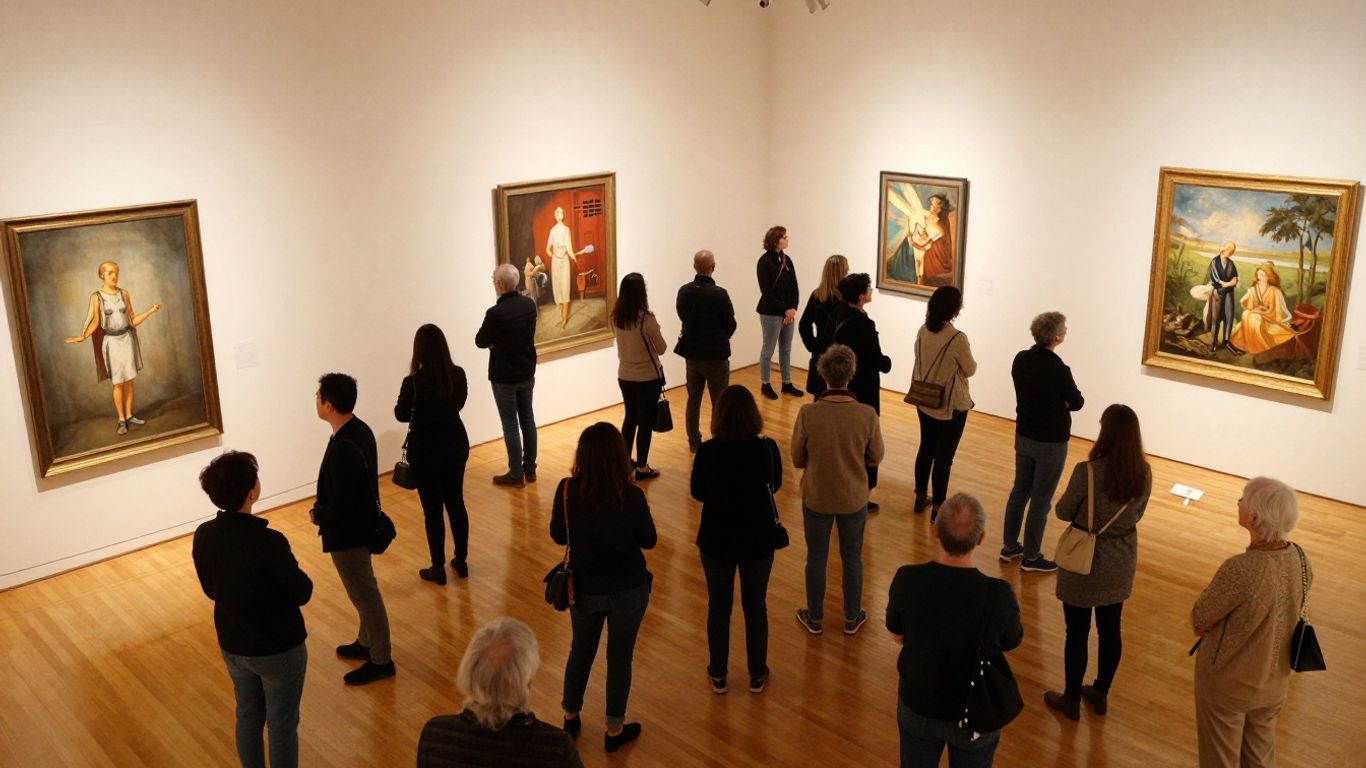
Engagement is a two-way process that requires genuine effort and responsiveness. When you interact with your followers, you build a community around your programme rather than just a viewer base. Noran Design emphasises that authentic interaction is the bedrock of community retention.
Encouraging dialogue through interactive features
Using polls, questions, and comments effectively can spark conversations that matter to your audience. When you ask for input, you show that you value the community's perspective. This interaction often leads to better insights that inform future programme planning.
Managing comments and messages effectively
Prompt replies demonstrate that you are listening and care about the user experience. You do not need to reply to everything, but prioritizing meaningful comments can turn casual viewers into dedicated supporters. Keeping your communication timely helps manage expectations and improves overall brand sentiment.
Building a brand identity through tone of voice
Your tone of voice should reflect the mission of your programme while remaining relatable. Whether your approach is formal or playful, keeping it consistent across all messages is essential. Consistency helps your audience know exactly what to expect when they interact with you.
Using social media as a customer service tool
Use your platforms to provide clear, accessible information for anyone looking to join your programme. Being helpful and proactive about answering logistical questions can reduce friction for new audience members. This approach positions your social presence as a core part of your visitor operation.
Collaborating with influencers and local partners
Partnering with others extends your reach and adds credibility to your arts programme. By working with individuals who share your values, you gain access to new networks and audiences. These collaborations are often most successful when both parties benefit from the shared visibility.
Identifying relevant arts micro-influencers
Look for creators who have high engagement with local art communities, even if their total follower count is modest. These micro-influencers often command more trust from their followers than larger celebrities. A small, focused endorsement can be more impactful than a massive, generic promotion.
Formulating mutually beneficial partnerships
Approaching others with a clear idea of how you can support their goals as well as yours makes successful collaboration more likely. Think about co-hosting events or exchanging content cross-promotionally. Clarity in partnership expectations is always a positive starting point.
Leveraging user-generated content for social proof
Encouraging your attendees to share their experiences of your programme provides authentic testimonials. Social proof from a real user is one of the most effective ways to encourage others to participate. Always ask for permission before re-sharing their content to your own channels.
Co-creating events to boost organic reach
By hosting workshops or pop-ups with local partners, you tap into their existing audience and your own simultaneously. This collaborative spirit defines the best of the arts sector, where mutual support drives broader appreciation for creativity. It ensures your event is seen by those most interested in participating.
Measuring performance and refining your strategy
Data is a powerful tool to understand the trajectory of your programme. Regular review of your results will show you what is working and where you can improve your digital trajectory. At Noran Design, we advocate for using clear, actionable data to guide future decisions and foster sustainable growth.
Interpreting key engagement metrics
Focus on metrics that reflect meaningful engagement, such as shares, saves, and event RSVPs. These provide a better picture of interest than simply looking at views. Understanding these numbers helps you see which stories or updates truly resonate with your audience.
A/B testing creative assets
Try different visual styles or caption approaches to see what grabs more attention. Simple tests can quickly show what works best for your audience. Small refinements based on these tests often lead to improved performance over time.
Adapting your arts social media marketing strategy based on data
If you find your audience is moving toward one platform or one format, do not be afraid to pivot your resources. Data shouldn't be ignored; it exists to help you make more effective decisions. A strategic approach involves being willing to evolve as you learn more about your community.
Reviewing long-term audience growth trends
Growth is a marathon rather than a sprint. Review your progress annually to see if your efforts are compounding. When you keep a clear record of your metrics, you can make informed decisions about future investments in your digital operations.
Conclusion
Building a successful arts programme on social media requires patience and a focus on building authentic connections rather than purely chasing short-term viral numbers. By identifying your brand, selecting the right platforms, and consistently engaging with your community, you turn interested followers into dedicated supporters. Remember that your creative process provides the most valuable content, so let it be the heart of your digital strategy. Keep refining your approach based on data, and stay open to collaboration with your local partners to achieve the sustained growth your programme deserves.
Frequently Asked Questions
How long does it take to build an audience on social media?
Audience building varies depending on your programme type, but consistency over several months is typically necessary to see tangible growth. Most creators find that genuine progress is made when they stick to a regular posting schedule and maintain meaningful interactions with their followers.
Do I need to be on every social media platform?
No, it is generally better to be excellent on one or two platforms than to have a mediocre presence on many. Focus your resources on the channels where your target audience spends their time and where your specific type of content thrives, such as visual platforms for art.
What should I post if I don't feel ready to show my face?
Focus your content on your work, your studio setup, or the creative techniques you use. You can share process videos, photographs of your tools, or close-up views of your progress to maintain an authentic connection without needing to be on camera yourself.
How do I handle negative comments or feedback?
Address constructive criticism professionally and calmly if it provides value to the conversation. If comments are disrespectful or spam, it is often best to hide or delete them to maintain a constructive environment for your community. Always prioritise your own wellbeing and focus on engaging with supporters who appreciate your work.
Can social media really help sell more art?
Yes, by building an audience that feels connected to your journey, you create a direct path to finding collectors and supporters. Social media functions best when you use it to demonstrate your process and build trust, which can directly lead to gallery inquiries, event attendance, and sales.
Should I outsource my social media management?
Outsourcing can be helpful if you lack the time or expertise to maintain a steady presence, especially as your programme grows. Consider a manager if you want to focus more on your creative work and need someone to handle the technical aspects of growth, scheduling, and community engagement.
How can I make my social media content look more professional?
Consistency in visual style, such as using a cohesive colour palette or standard video lighting, often does the most to improve the look of your profile. Start by using simple templates for your graphics and ensuring your photos are well-lit, which helps create a professional and unified brand identity.