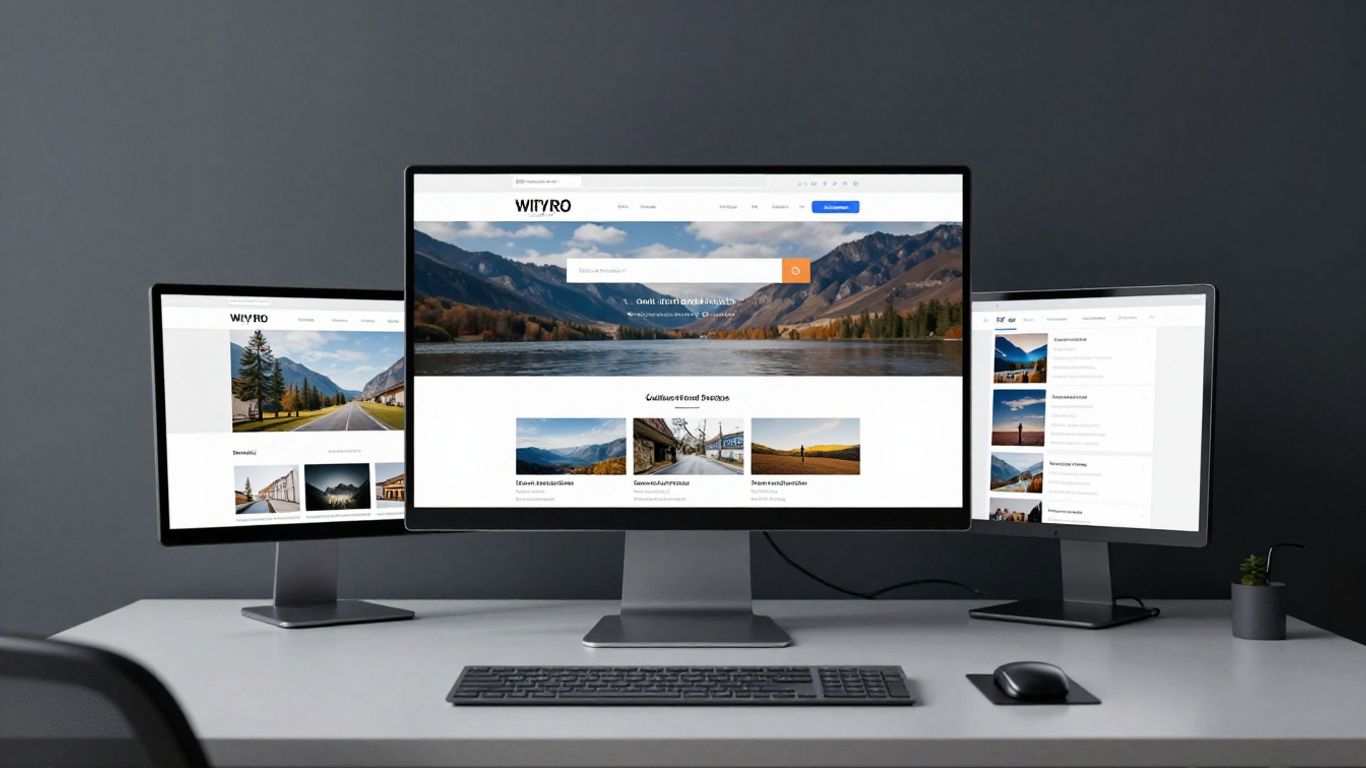
Build high-quality lists through direct audience engagement.
Key Takeaways
Effective email outreach remains a cornerstone for cultural institutions looking to foster deeper audience connection and consistent ticket sales. By focusing on sustainable data practices and thoughtful communication, you can build a more loyal community that supports your long-term creative mission.
Build high-quality lists through direct audience engagement.
Use data segmentation for more relevant experiences.
Write compelling copy that links performances to values.
Automate routine touchpoints for consistency and efficiency.
Measure performance to refine your artistic connection strategy.
Building a high-quality email list for arts organisations
Establishing a robust subscriber base is the foundation of any successful outreach strategy for cultural organisations. Instead of chasing vanity metrics, focus on building a list of people genuinely interested in your programming. Working with a strategic design and digital growth studio like Noran Design can help you architect a digital presence that converts casual visitors into long-term subscribers.
Incentivising sign-ups through exclusive member perks
People are more likely to share their email addresses if there is immediate, tangible value in return for their attention. Offer early access to ticket pre-sales, exclusive behind-the-scenes content, or even minor discounts on merchandise. This exchange creates a collaborative vibe where signing up feels like an invitation to join a community rather than just being added to a mailing list.
Capturing audience data at the physical box office
Your physical space is your most valuable asset for digital growth, yet many box offices miss the chance to bridge the gap between in-person attendance and online connection. Staff should be trained to prompt customers to subscribe at the point of sale. Consider using the following tactics to improve collection rates:
Include a QR code on physical ticket stubs for easy sign-up.
Provide a clear explanation of what content subscribers will receive.
Ensure front-of-house staff can quickly enter email details for those uninterested in mobile input.
These small touchpoints, when consistently applied across every performance, build a more robust database over time.
Maintaining compliance with GDPR and data privacy
Trust is your most precious currency, and data privacy is how you safeguard it. Always maintain transparent opt-in processes where the subscriber clearly understands what they are consenting to receive. Being upfront about how data is used reflects a respectful, professional approach that reinforces your integrity.
Cleaning your database to improve deliverability
High bounce rates and inactive accounts can silently harm your sender reputation, preventing legitimate emails from reaching loyal patrons. Periodically audit your list to remove unengaged recipients and fix typos in email addresses. A smaller, highly active list will always generate better results than a massive, stagnant one that never sees the light of day.
Personalising communication to improve engagement

Generic blasts often end up in the digital bin, so you must show your audience that you understand their unique interests. By moving away from one-size-fits-all messaging, you demonstrate that your organisation values their time and preferences. Thoughtful communication depends on using the right data to inform your outreach, a core tenet for any strategic design and digital growth studio focused on long-term sustainability.
Segmenting your audience by past booking behaviour
Grouping subscribers based on their historical booking data allows you to send targeted information that feels relevant to their specific journey with you. Frequent theatre-goers might respond differently than occasional gallery visitors or workshop attendees. Tailoring your messaging ensures that your emails feel like a personal note rather than a marketing nuisance.
Tailoring content based on artistic preferences and genre
Not every subscriber wants to hear about every event. Develop a system that allows patrons to self-identify their primary interests, such as contemporary dance, classical music, or experimental performance art. By aligning content with their taste, you encourage them to open your emails and engage with your programming.
Using dynamic fields to create a personal connection
Incorporating simple dynamic elements—like using their name or acknowledging a previous performance they attended—can humanise your digital outreach. It acknowledges the existing relationship and makes the reader feel seen, which is vital when competing for attention in a cluttered inbox, much like insights discussed by MuseumNext on maximizing e-marketing efforts.
Sending timely reminders for specific event types
Automation allows you to send reminders based on specific triggers that are relevant to your audience's immediate needs. Whether it is a pre-show logistics note or a final call for a limited-run performance, these emails should be helpful rather than aggressive. Providing clear, actionable details minimizes box office confusion and helps your audience focus on the experience. Below is a breakdown of event types and typical reminder cadences:
Event Type | Typical Reminder Cadence | Primary Objective |
|---|---|---|
Main Stage Plays | 48 hours pre-show | Logistics & Parking |
Workshop Series | 24 hours pre-show | Materials Needed |
Art Exhibitions | Post-visit follow-up | Feedback Survey |
By systematically planning these touchpoints, you ensure your communication strategy remains helpful and relevant throughout the patron journey. This consistency is a hallmark of effective digital operations which Noran Design helps institutions implement for lasting growth.
Writing compelling email copy that drives conversions
Writing for arts audiences requires a shift from strictly commercial language to a more evocative, narrative-heavy style. Your emails should act as a bridge between the art itself and the person receiving the message. Always aim for clarity while ensuring your tone remains inviting and professional throughout the piece.
Crafting subject lines that demand immediate attention
Subject lines are the gatekeepers to your content, so make them punchy, specific, and indicative of what is inside. Avoid vague promises; instead, offer a clear reason why the reader needs to open the email now. Whether it is a limited ticket announcement or a special curator insight, honesty is usually your best strategy for building trust.
Creating a sense of urgency for limited ticket runs
For performances with restricted capacity, brevity and urgency are your allies. Let subscribers know that tickets are selling quickly, providing a genuine reason for them to act now. You are not creating fake scarcity, but rather helping your most loyal patrons secure their seats before they are gone.
Using storytelling to connect with your artistic mission
Readers connect with people, not institutions. Use your email as a space to share the stories behind the art—interview an artist, discuss the creative challenges of a new piece, or highlight the passion of your team. This narrative approach builds a deeper relationship than simple sales pitches ever can.
Directing subscriber focus with clear calls to action
Every email must have a primary purpose, and your call to action should be impossible to miss. Use concise buttons that describe exactly what happens next, like "Book your seats" or "View the full programme." Avoid cluttering the bottom of your email with unrelated links, which only serves to dilute the message you worked so hard to craft.
Leveraging automation to nurture potential ticket buyers
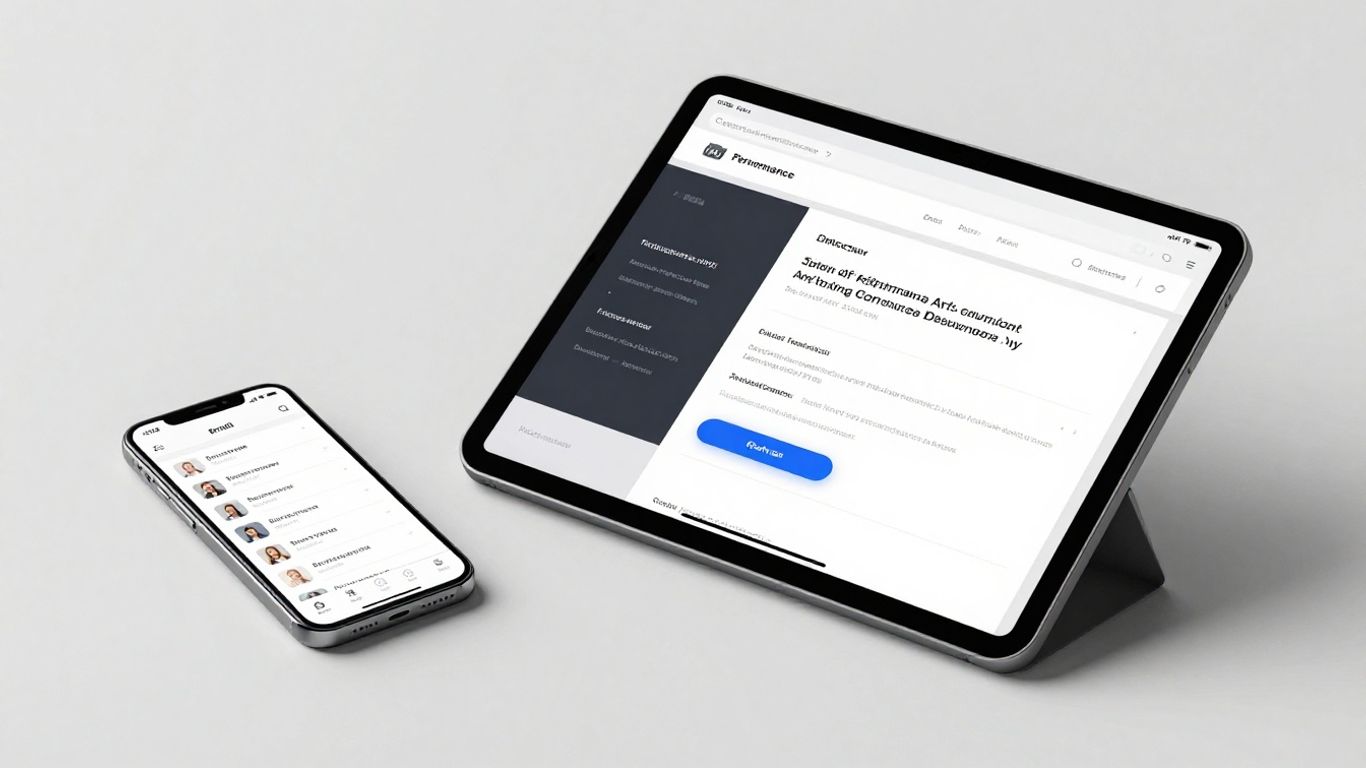
Automation is a powerful tool when used to support human connections rather than replace them. It ensures that your audience receives timely, helpful information without requiring constant manual effort from your box office team. As highlighted in guides found on Twilio regarding email marketing control, setting up well-thought-out flows can provide certainty in an unpredictable world.
Setting up welcome flows for new subscribers
When someone joins your list, they are in a state of high interest. Capitalise on this momentum with a welcome email that introduces your mission and your current programming. Tell them what kind of emails to expect and provide them with a snapshot of your upcoming season to keep the excitement going.
Recovering abandoned bookings through triggered emails
Sometimes audiences get distracted partway through a booking, and a gentle reminder is often all they need to follow through. A single, helpful email asking if they had any trouble with the checkout process can rescue significant revenue. Keep the tone supportive rather than pushy, acknowledging that their interest in your performance is highly appreciated.
Retaining customers with post-show engagement sequences
Retention is often overlooked, yet it is where most sustained growth lives. Send a post-show message thanking patrons for attending, perhaps inviting them to sign up for a future discussion or offering a small discount for their next booking. This ensures that their experience with your organisation is not a finish line, but a continuing conversation.
Automating pre-show information to reduce box office pressure
Automating the delivery of logistics—like transport directions, venue maps, or accessibility notes—can dramatically lower the volume of repetitive queries that hit your box office staff annually. Giving the audience the information they need before they even realize they need it allows your staff to focus on solving more complex patron enquiries.
Designing visual emails that reflect your brand identity
Consistency across your email assets is non-negotiable for building a professional reputation. Every email should feel like an extension of your website and your physical venue. A clean, cohesive design allows your audience to focus on the content rather than being distracted by inconsistent layout choices.
Ensuring accessibility and mobile responsiveness for all devices
Never assume everyone views your emails on a high-end desktop. Most of your audience will likely open them on their mobile devices, so your layout must be flexible. Accessibility standards are also crucial; use clear alt-text for images and ensure your font sizes are legible for every reader, regardless of their visual capability.
Balancing high-quality imagery with text-based content
Imagery is vital for showcasing the artistic nature of your work, but it must be paired with readable, meaningful text. Never bury the value proposition of your email inside an image, as that content might not render across all providers. A well-designed balance keeps your emails informative yet visually inspiring.
Maintaining consistent branding across all campaign assets
Use your brand guidelines rigorously to ensure that colours, typography, and logo usage stay consistent across every campaign. This creates a familiar look that reinforces your identity over time. Using consistent assets builds a recognisable presence that helps your audience distinguish your communications from the broader noise in their inbox.
Integrating rich media to showcase video previews of performances
Video can convey the energy of a live performance far better than any static image. Including a short, well-optimized preview can pique interest and give your audience a taste of what to expect at the venue. Ensure these are embedded in a way that respects quick loading times, even on weaker mobile networks.
Measuring success and refining your email strategy
Data is a roadmap for improvement, but its value lies in interpretation. Don't look at metrics like open rates in isolation; consider the broader story they tell about your engagement. As Capacity notes in their digital marketing resources, data-driven approaches are essential for exceeding revenue goals and reaching the right audiences.
Interpreting key metrics like open rates and click-through rates
The industry average for open rates can fluctuate, but focus on the trend of your specific audience engagement. If your click-through rate is low, it suggests that either your call to action isn't compelling or the content wasn't quite hitting the right note for that segment. Use these metrics as the start of a conversation about how you can improve.
Tracking ticket sales conversions directly from email campaigns
Connect your email platform to your ticketing system where possible to attribute ticket sales directly to specific emails. This allows you to understand exactly which types of messaging drive the most meaningful revenue. You might find that your long-form storytelling emails drive more repeat business than your quick, sales-focused alerts.
Running A/B testing on send times and layout variations
Never guess what works when you can test for it. A/B tests allow you to experiment with different subject lines, send times, or image placements on a small subset of your audience before rolling out the winner to everyone. This scientific approach ensures that your efforts continue to compound in value over time.
Adjusting tactics based on audience feedback and unsubscribe data
Unsubscribes are not just a nuisance; they are feedback. If you see a spike in unsubscribes after a particular email, examine what went wrong. Perhaps the messaging was too pushy, the content wasn't relevant to that segment, or the frequency was too high. Listening to the data allows you to pivot and refine your strategy to stay aligned with your audience's expectations.
Conclusion
Building an effective email marketing programme is a marathon that rewards patience, consistency, and a deep respect for your audience. By integrating your brand, refining your data practices, and always keeping the human connection at the centre of your communications, you transform your email list into a sustainable engine for artistic growth.
Frequently Asked Questions
How often should my arts organisation send emails?
Optimal frequency depends on your audience's engagement but aim for consistency over volume. Most institutions find success with a regular, reliable cadence such as once a week, ensuring quality remains high for every touchpoint.
How can I make my emails more accessible?
Use clear, readable fonts, maintain high contrast between text and background, and include descriptive alt-text for any images. Ensuring your emails are fully mobile-responsive is also a fundamental aspect of accessibility.
Should I worry about unsubscribes?
Unsubscribes are a standard part of email marketing and often help you maintain a cleaner, more active list. Focus on providing value to those who stay rather than stressing over those who choose to opt out.
What does segmenting an audience actually mean?
Segmentation is just the practice of grouping your subscribers based on their specific interests or behaviours. This allows you to send content that feels highly relevant to them rather than sending the same message to everyone.
Can images slow down my performance metrics?
Large, unoptimized images can definitely negatively affect load times and hurt your engagement. Always resize and compress images appropriately before including them in your emails to maintain a fast, smooth user experience.
How do I handle GDPR compliance simply?
GDPR is about being transparent and respectful with data usage. Ensure you have clear, affirmative consent processes and give users an easy, visible way to manage their preferences or opt out at any time.
How can I measure if my emails are selling tickets?
Use UTM parameters to track clicks from your emails directly to your ticket purchase pages. This will help you identify which specific messages are effectively translating audience engagement into tangible bookings.