**A comprehensive audit** must assess existing brand sentiment and visual equity to determine which core values must remain constant.
Key Takeaways
Rebranding a cultural institution is a delicate task that requires balancing historical significance with future growth. This article outlines the essential steps to refresh your museum's identity while keeping your core community engaged and supportive.
A comprehensive audit must assess existing brand sentiment and visual equity to determine which core values must remain constant.
Open communication channels and active feedback loops with loyal members mitigate resistance and build trust during transition phases.
Honouring heritage through a bridge narrative prevents the perception of historical erasure when targeting new demographics.
Phased rollouts of visual assets and accessible digital elements ensure a smooth, sensory-friendly transition across primary touchpoints.
Clear engagement KPIs and systematic post-launch sentiment tracking measures the ultimate success of the strategic update.
Conducting a thorough pre-rebrand audit
Initiating a museum's visual and strategic evolution requires deep internal introspection before any external pixels are altered. A successful museum rebrand strategy relies on a grounded understanding of how your institution is currently perceived and where its structural and visual foundations actually lie. Without this baseline, any subsequent design work risks solving the wrong problems or, worse, disconnecting entirely from the patrons who keep your doors open.
Analysing current brand sentiment and public perception
Before redesigning a single logo, an institution must systematically evaluate how it is viewed by both its dedicated patrons and the wider public. This process means looking past internal assumptions to study real-world visitor experiences, digital touchpoints, and local community associations. Many institutions find that their public perception is stuck in a different era, sometimes mimicking the archaic hurdles of older systems. Insights from our case study on visitor experience transformation demonstrate that identifying static, dates-of-the-past visitor journeys is essential for designing an identity that feels accessible and alive rather than preserved in amber.
Identifying core values that must remain constant
Every museum houses a foundational ethos—a unique academic, civic, or artistic mission that defines its place in the global cultural landscape. Identifying which elements of this mission are non-negotiable ensures that the rebrand feels like an evolution rather than a rejection of the past. If your core purpose is education and community integration, the updated brand should actively reflect those traits. Pinpointing these constant truths allows creative partners to build a solid framework, ensuring the brand's narrative foundation remains sturdy even as its visual representation shifts.
Assessing the strengths and weaknesses of existing visual assets
An audit must also include a rigorous visual inventory of every building block, sign, digital asset, and publication. Some components hold valuable historical equity that should be preserved or subtly updated, while others might merely look dated or fail modern usability guidelines. By carefully charting which assets communicate your identity clearly and which create operational friction, you can plan a targeted redesign. Understanding these visual strengths and weaknesses helps prevent wasteful overhauls, keeping the focus entirely on elements that require genuine modernization.
Engaging your community throughout the transition
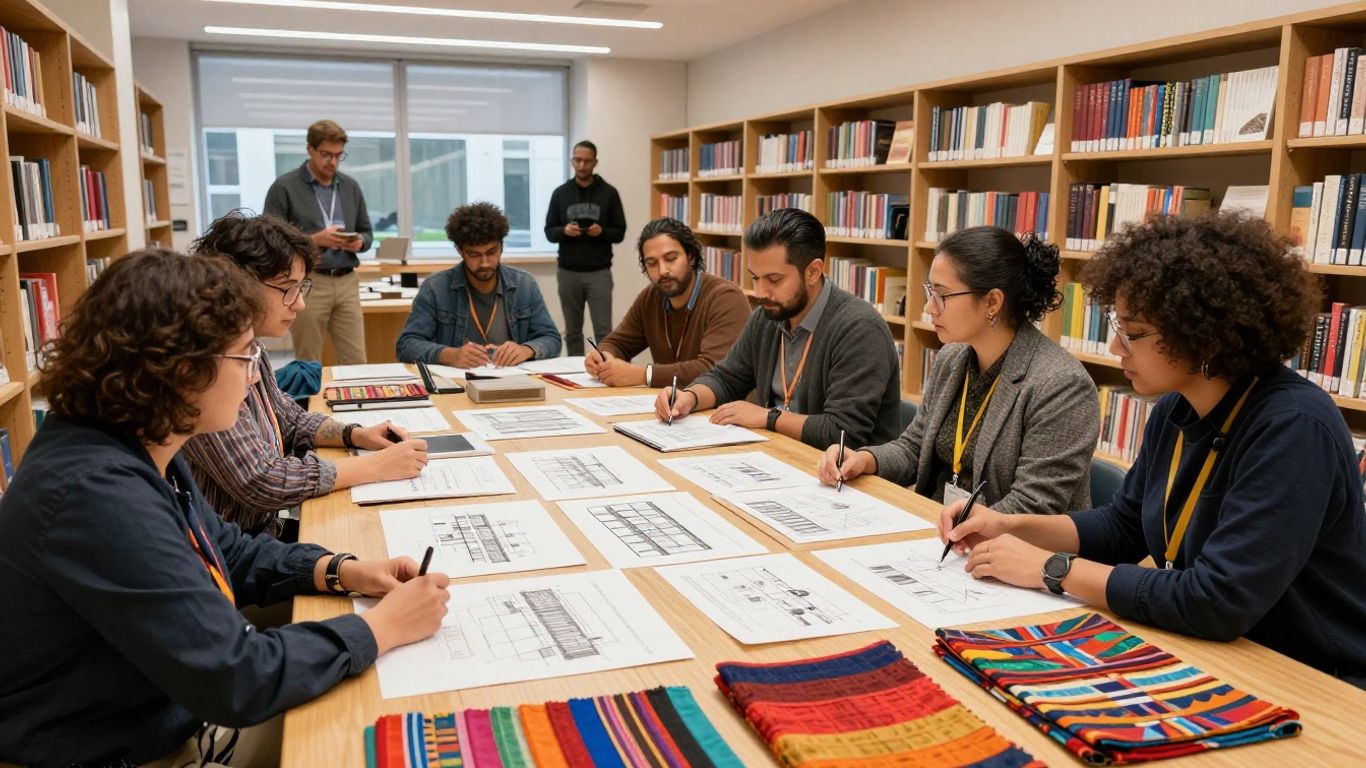
Rebranding a beloved cultural space without clear, early communication can alienate your most dedicated supporters. A museum is not merely a commercial entity; it is a shared community resource that people feel a deep, personal ownership over. To make your community feel valued, you must actively include them in the process, transforming what could be perceived as a jarring corporate disruption into a shared, exciting milestone.
Communicating the 'why' behind the change to stakeholders
When a museum decides to update its identity, stakeholders—including administrative staff, donors, and local partners—need to understand the core motivations driving the shift. Explaining that the rebrand is a response to evolving digital requirements and shifting audience expectations helps contextualize the change. For instance, when institutions coordinate physical and digital growth, they often need to transform fragmented assets into a cohesive system. This alignment mirrors how a unified design system reduces visual inconsistencies and streamlines internal creation, helping museum stakeholders see that a rebrand is a practical operational upgrade, not just an aesthetic whim.
Creating feedback loops with loyal museum members
Your members and frequent visitors are the lifeblood of your institution, and their institutional memory is irreplaceable. Creating regular channels to gather their feedback—such as focus groups, preview sessions, or dedicated digital surveys—proves that their relationship with the museum is highly valued. These channels should present initial concepts in a structured, open format, allowing members to voice concerns about historical preservation or navigation. Listening to this feedback provides practical guidance on how to adjust your rollout plan, preventing negative surprises when the new identity finally launches.
Managing expectations through transparent PR messaging
To manage community sentiment as the launch approaches, museums should deploy clear and consistent public relations communications. By openly discussing the timeline, the upcoming changes to signage, and the long-term benefits of the updated system, museums reduce public anxiety and visual confusion. The table below outlines how transparent communication channels can be structured to support a smooth transition across different audience segments:
Audience Segment | Primary Channel | Key Message Focus | Engagement Goal |
|---|---|---|---|
Active Museum Members | Private previews & newsletter updates | Preserving heritage and member perks | Retain loyalty and drive early advocacy |
General Public | Social media & local press releases | Modern accessibility and fresh exhibits | Spark curiosity and attract new visitors |
Teachers & Schools | Guided educational outreach packs | Enhanced learning tools & digital resources | Secure group bookings and cultivate trust |
This structured approach ensures that no audience segment feels ignored or blindsided, building a collective sense of anticipation and shared pride as the launch date approaches.
Developing a brand narrative that bridges the past and future
Creating a compelling narrative is the key to a successful museum transformation. The story you tell must weave together where your institution has been with where it is going next, ensuring that old and new audiences alike can find their place within your history. By positioning the rebrand as a natural step forward, you minimize friction and highlight your commitment to continuous public service.
Honouring historical heritage while modernising the mission
Maintaining a deep respect for your historical roots is essential when updating your outward-facing mission. For instance, global efforts like the Guggenheim's visual identity consolidation by Pentagram show that a modern cultural brand can seamlessly tie multiple international locations together while respecting its architectural and historical legacy. The goal is to highlight your heritage as a foundation for future exploration, ensuring that historical context remains a key asset rather than an outdated limitation.
Crafting a core brand story that resonates with new demographics
To thrive over the long term, a museum must expand its reach to welcome younger, more diverse audiences who may have previously felt disconnected from the space. Crafting a brand narrative that speaks to modern cultural contexts, digital learning styles, and interactive experiences can build new paths to participation. This narrative should use clear, approachable language that invites people in, framing the museum as a vibrant social hub and a place for interactive, contemporary community conversations.
Avoiding the perception of erasure in institutional storytelling
One of the greatest risks during a rebrand is the perception that you are erasing history in a bid to look trendy. To avoid this misstep, your institutional narrative must explicitly celebrate your past milestones, classic collections, and founders. Framing the update as an effort to bridge tradition with modern access reassures your audience that nothing is being lost. Instead, the rebrand is presented as an exciting new chapter that makes your historical collections more accessible, engaging, and relevant than ever before.
Ensuring visual consistency during the rollout
Once your strategic narrative is defined, executing a consistent visual rollout across all physical and digital touchpoints is critical. Inconsistent execution can confuse visitors and dilute the impact of your new brand. Developing a clear, structured system allows your internal teams to apply the updated design elements effectively, preventing visual fragmentation across different platforms.
Updating primary touchpoints without causing sensory overload
Replacing old visual elements requires a careful, balanced approach to avoid overwhelming visitors or confusing their physical navigation of your galleries. Priority should be given to highly visible touchpoints such as your main entrance, entrance signage, ticketing systems, and basic website elements. Rather than flooding your spaces with a sudden wave of new colours and patterns, introduce your design changes in a clean, uncluttered layout to maintain a calm, welcoming environment.
Implementing a phased visual transition strategy
For most organisations, an immediate, total brand replacement is neither practical nor financially feasible. Implementing a phased rollout allows you to update your physical and digital touchpoints in structured stages, spreading out the budget and operational demands. This phased process can be managed smoothly by following a set of key visual rollout steps:
Update digital-first platforms, starting with your website, email templates, and social media icons.
Refresh high-impact print collateral, such as exhibition banners, visitor maps, and tickets.
Transition physical signage and building markers in stages, beginning with primary navigation.
Apply the new branding across internal materials, retail packaging, and staff uniforms.
By following this structured schedule, your team can review usage guidelines and make adjustments based on real-time feedback, ensuring a smooth, stress-free update.
Designing for accessibility alongside visual innovation
Visual innovation should never come at the expense of accessibility; inclusive design must be integrated into your visual strategy from the very beginning. When updating color palettes, typography, and website interfaces, adhering to digital accessibility standards is essential. For organisations seeking detailed guidance, looking to specialists like Noran Design's wellness brand infrastructure and accessibility audits can provide valuable models for implementing clean patterns and meeting WCAG standards. Prioritising readable fonts, high-contrast colours, and clear layouts ensures that your rebranded space remains welcoming and fully accessible to all visitors.
Measuring the success of your museum rebrand strategy
An updated brand identity is only truly successful if it delivers tangible improvements to your institution's health, engagement, and operational efficiency over time. Without structured ways to measure impact, you cannot evaluate if your new narrative is truly connecting with people. By establishing clear benchmarks early on, you can track your progress post-launch and continue refining your brand strategy to support long-term growth.
Defining key performance indicators for engagement and awareness
To accurately evaluate your brand's performance, you must establish clear key performance indicators (KPIs) before launching the rebrand. These KPIs should look beyond simple visitor numbers to measure deeper forms of audience engagement. Useful metrics include website dwell times, email open rates, membership sign-ups, and social media interaction levels. Tracking these indicators lets you see exactly how the public is responding to your updated identity and helps you adjust your messaging where needed.
Tracking visitor sentiment during the post-launch phase
While quantitative data is highly valuable, gathering qualitative feedback is just as important for understanding how people actually feel about your new brand. You can track visitor sentiment by conducting short exit surveys, hosting community feedback sessions, and closely monitoring online discussions and reviews. This feedback helps you identify any practical points of confusion, such as difficult-to-navigate signage or complex website layouts, allowing you to resolve issues quickly and improve the visitor experience.
Analysing demographic shifts without losing your core audience
Finally, a major goal of most rebranding efforts is to welcome new groups of visitors to your museum. To measure your success here, you should regularly analyze your visitor demographic data to see if you are attracting new age groups, local families, and diverse communities. Key insights from our overview of UK-based strategic design show that managing sustainable growth means finding a healthy balance between modern design updates and deeper strategic institutional development. By carefully monitoring these demographic shifts alongside member retention rates, you can ensure your museum expands its reach while continuing to support and value its core audience.
Conclusion
Rebranding a museum is a rewarding journey of transformation that, when done thoughtfully, honors your institution's heritage while opening its doors to the future. By conducting detailed audits, engaging your community, building an inclusive bridge narrative, and delivering a consistent visual rollout, you can revitalize your space without losing your loyal audience. A successful brand strategy is not just about a fresh coat of paint; it is about building a scalable, accessible cultural ecosystem that deepens visitor connections, supports your operations, and ensures your collections remain inspiring and relevant for generations to come.
Frequently Asked Questions
Why do museums decide to undergo a rebrand?
Museums usually rebrand to address outdated public perceptions, connect with younger or more diverse audiences, and align their visual identities with updated educational missions. Many institutions also update their brands to support physical renovations or to ensure their design works seamlessly across modern digital platforms.
How can a museum protect its historical legacy during a rebrand?
A museum can protect its legacy by actively involving long-term curators and stakeholders in the research phase to identify non-negotiable core values. Creating a bridge narrative that celebrates historical milestones alongside future changes ensures that the rebrand feels like a natural evolution rather than an eraser of the past.
What is the typical timeline for a complete museum rebrand?
A comprehensive rebrand project typically takes anywhere from nine to eighteen months. This timeline includes conducting upfront research and public audits, developing the strategic narrative, designing the visual identity system, and planning a phased rollout across all physical signage and digital platforms.
How can we encourage our existing members to support the rebrand?
The best way to build support is through early, open communication and active involvement. By hosting exclusive preview events, creating structured feedback loops, and clearly explaining the practical benefits of the changes, you help members feel valued and included in the museum's future.
Is it necessary to replace all signs and print assets instantly?
No, an immediate, total replacement is rarely necessary or practical. A phased rollout allows you to update your visual assets in planned stages, starting with digital platforms and high-impact entrance signs, before gradually refreshing internal galleries, print materials, and retail items over time.
How do we ensure our new visual identity is accessible to everyone?
Ensuring accessibility of your new brand requires designing with inclusive principles from the very beginning. In practice, this means selecting highly readable typography, maintaining strong color contrasts, designing clear physical signage layouts, and complying with WCAG guidelines across all digital platforms.
What are the main signs that a museum rebrand has been successful?
Success is highlighted by a combination of positive indicators, including sustained visitor attendance, growth in new demographics, and improved member retention rates. Additionally, success is reflected in positive shift in visitor sentiment surveys, higher digital engagement, and smoother internal workflows for design and marketing teams.