Define clear objectives to guide every research phase and ensure data relevance.
Key Takeaways
Effective research allows museums to align their offerings with visitor expectations and operational goals. By understanding your audience's needs and behaviours, you can create more compelling and accessible cultural experiences.
Define clear objectives to guide every research phase and ensure data relevance.
Use qualitative methods to capture narrative feedback and deep visitor sentiment.
Implement quantitative tools to track broader trends and demographic information.
Analyse digital interactions to identify and remove barriers in the booking process.
Translate raw research into a structured roadmap for long-term exhibition development.
Preparing for effective museum user research
Successful research starts with careful planning rather than jumping straight into data gathering. When you establish a clear strategy, your team avoids wasting time on metrics that do not support your primary mission. At Noran Design, we help organisations build foundational strategies that ensure every piece of research serves a specific institutional goal.
Identifying your core research objectives
Start by asking what change you hope to see within your institution. Whether you aim to increase membership sign-ups, improve accessibility, or refine exhibition flow, your goals define the methodology. A clear objective helps you secure internal buy-in and ensures the gathered data remains focused throughout the process.
Defining your target museum visitor personas
Personas help your team humanise the data, making it easier to design for specific visitor needs rather than an abstract crowd. Consider factors like prior knowledge, physical accessibility requirements, and time constraints during their visit. Developing these profiles creates a shared understanding among your staff about who you are serving.
Managing stakeholders and internal expectations
Budgeting time for internal communication is critical to building a culture that values evidence. Use the Caudience research guide to help colleagues see research as a long-term investment rather than a one-off task. By setting milestones for sharing preliminary findings, you keep stakeholders engaged and ready to act on results when they arrive.
Recruiting diverse research participants
Representation matters if you want to create an inclusive environment for all your visitors. You must proactively invite voices from underrepresented groups to avoid skewed data that reflects only your most frequent attendees. Offering small incentives or simple booking systems can help lower participation barriers for these vital groups.
Core qualitative museum user research methods
Qualitative research goes beyond simple numbers to tell the story of the visitor's internal experience. Understanding the emotional resonance of an exhibit provides nuances that standard metrics simply cannot capture. For museums looking to establish consistent growth, Noran Design provides the framework to integrate these findings into your broader digital operations.
Conducting semi-structured visitor interviews
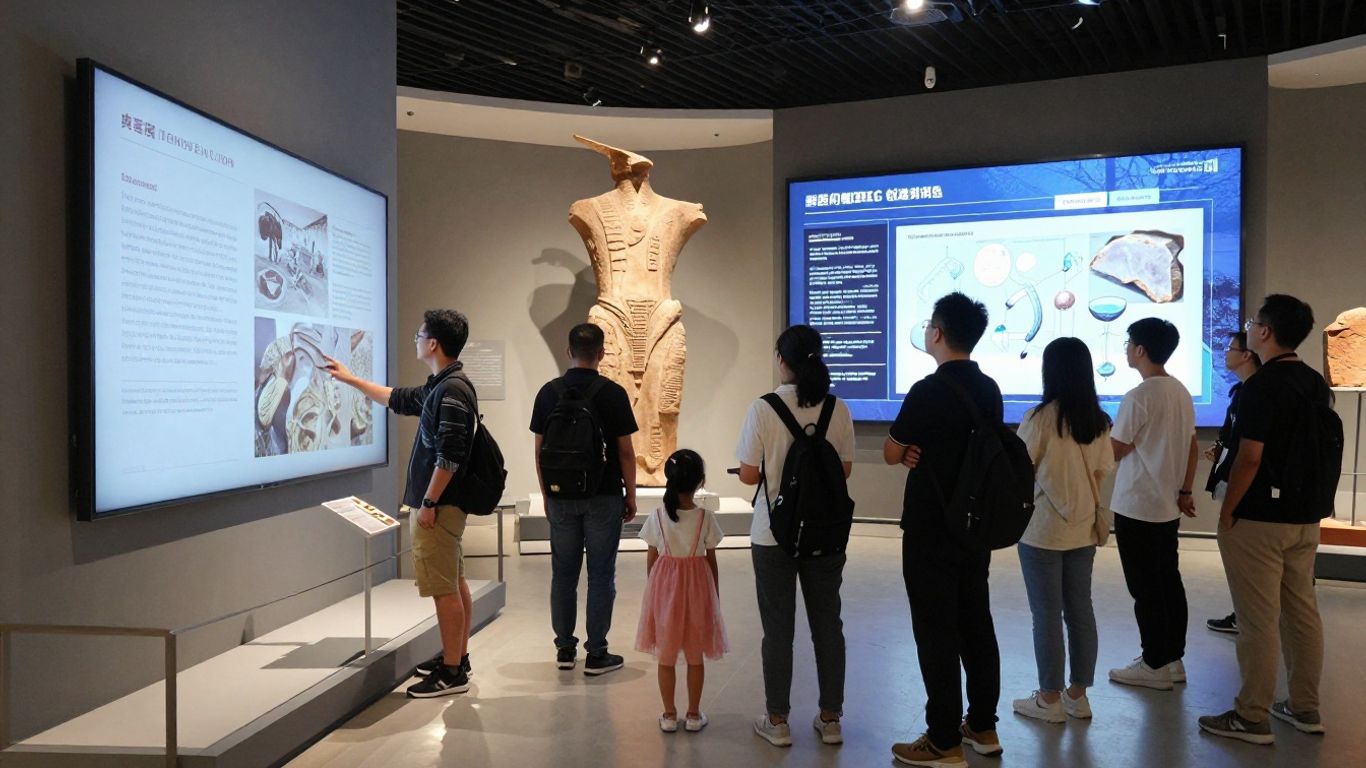
These conversations allow for deeper probing while keeping the dialogue grounded in the exhibition experience. Use open-ended questions like "What did you find most memorable about this gallery?" to elicit detailed narratives. Unlike surveys, these interviews often reveal unintended takeaways that can significantly transform your future curation.
Observing visitor flow and dwell time in galleries
Tracking where people congregate and where they move past quickly reveals the natural pacing of your spaces. This method is excellent for identifying bottlenecks in high-traffic galleries. You might present this data in a table during internal design reviews to illustrate current usage patterns:
Gallery Area | Average Dwell Time | Observed Bottleneck | Status |
|---|---|---|---|
Ancient History | 4.5 Minutes | Entry Point | Review |
Industrial Age | 2.0 Minutes | Narrow Aisles | Urgent |
Modern Art | 6.0 Minutes | None Reported | Stable |
By analysing these metrics, you can make informed decisions about layout adjustments.
Facilitating focus groups for new exhibition concepts
Bring a small group of potential visitors together to discuss upcoming ideas before production begins. This prevents the costly mistake of assuming your internal logic matches that of your audience. These sessions help refine messaging and ensure clarity in exhibit labels, providing a safe space to test new themes.
Using diary studies to understand the pre- and post-visit journey
Ask participants to document their thoughts both before arrival and after leaving the building. This reveals the digital friction points they may have experienced while planning their trip and how those feelings impacted their visit. Understanding this journey is vital, as noted in this case study on transforming the visitor experience through systematic mapping.
Implementing quantitative data collection
Quantitative insights offer a reliable baseline for measuring the success of your outreach and operational changes. When you track metrics consistently, you develop a clear picture of how your institution performs over time. This foundational data layer allows you to identify trends and report progress to stakeholders with confidence.
Designing effective visitor exit surveys
Keep surveys brief and focused on specific aspects of the visit to maximise completion rates. Ask about the ease of navigation, the relevance of educational content, and overall satisfaction levels. Ensure that these questions directly link to your strategic goals, such as tracking how many first-time visitors intend to return.
Utilising ticketing data to track visitor demographics
Your ticketing system holds a goldmine of information regarding visitor origin, age profiles, and booking times. Analysing this data allows you to create targeted marketing initiatives that reach underserved audiences. Make sure the data collection process remains compliant with privacy standards to maintain visitor trust.
Measuring visitor satisfaction through net promoter scores
Use this standard metric to gauge how likely visitors are to recommend your museum to a friend. Net promoter scores provide a simple, comparable benchmarks that you can track across seasons or new exhibition launches. Always provide a text field for qualitative feedback when collecting these scores.
Automating data collection with visitor counter technology
Modern sensors allow you to track real-time crowd numbers and movement patterns without manual counting. This technology helps staff manage high-traffic days more effectively while providing a consistent, automated data stream for your analytics dashboard.
Analysing digital user experience for museum websites
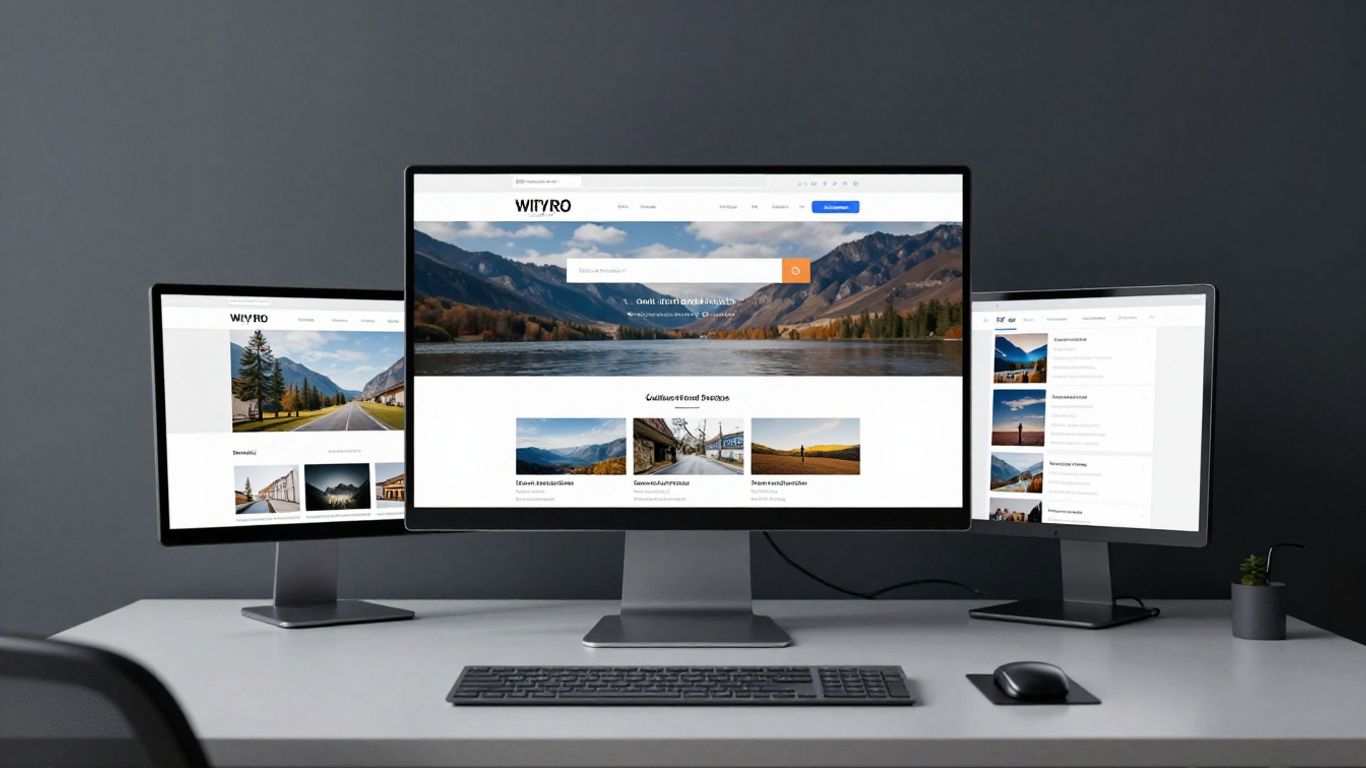
Your website is often the front door for your institution, and its usability directly influences physical attendance. Even with modest traffic, you can uncover significant insights using a structured review process. Noran Design emphasises the need for robust digital infrastructure to support your growth, just as you would invest in gallery maintenance.

Auditing website navigation and information architecture
Check for clarity by attempting to find basic information, such as opening hours or ticket pricing, within three clicks or fewer. Poor categorisation often hides vital information, leaving users frustrated before they even visit. Ensure your labelling is intuitive for the average member of the public.
Analysing bounce rates and journey paths through analytics
Low-traffic sites can still yield valuable data about which pages cause visitors to drop off. If users frequently leave on the booking page, it might indicate confusing navigation rather than a lack of interest. You can find practical UX testing alternatives for museums that do not benefit from high-volume traffic.
Running remote usability testing on booking flows
Watch anonymous recordings of visitors attempting to navigate your booking system to identify where they hesitate or struggle. These sessions offer proof of friction points that stakeholders might otherwise miss. Following the MoMA usability study principles helps ensure your design is user-centric.
Gathering accessibility feedback from digital users
Accessibility is not just a regulatory hurdle; it is a commitment to welcoming everyone. Use tools to check for screen reader compliance and test your contrast ratios to ensure content remains readable. Feedback from users with assistive technology needs will prove invaluable for refining your digital presence.
Integrating research into the visitor experience
Translating research into physical changes is the most rewarding part of the evaluation lifecycle. You must create an environment where staff feel empowered to iterate based on evidence they have helped gather. Innovative ways to share UX research findings can foster this collaborative spirit across your entire team.
Using prototyping to test interactive gallery displays
Build low-fidelity mockups of interactive features to see how visitors engage before committing to full fabrication costs. This prevents wasting resources on concepts that prove confusing or unappealing in practice. It also allows you to refine usability based on genuine interactions.
Applying design thinking workshops with museum staff
Host collaborative sessions where front-of-house staff, curators, and management review research findings together. Brainstorming solutions collectively ensures that your final strategy benefits from diverse perspectives. These workshops often surface creative fixes that management might overlook.
Assessing visitor interaction with augmented reality features
When introducing new technology, observe how it integrates into the physical gallery space. If it requires too much attention or is difficult to operate, it may distract from the artifacts themselves. Evaluate whether the technology truly enhances or distracts from the core narrative.
Creating feedback loops for long-term exhibition maintenance
Establish a schedule for ongoing monitoring to ensure exhibitions continue to perform as intended. Collect feedback periodically even after an exhibit has been open for months. This proactive approach helps identify where wear and tear or changing visitor needs require minor refinements to keep the experience fresh.
Turning research data into actionable insights
Data is only useful when it leads to meaningful decisions. Your goal is to move from raw observation to a clear plan that everyone in the organisation understands and supports. By maintaining a structured reporting process, you ensure that your research efforts drive long-term institutional improvement.
Transcribing and coding qualitative interview feedback
Organise your interview transcripts by themes to identify repeating patterns in visitor sentiment. Coding ensures that you can quantify qualitative data effectively. This structured method allows you to report on dominant themes with clarity.
Identifying statistical patterns in survey responses
Use your survey data to highlight trends that are statistically significant across your visitor base. Sorting responses by demographic or visit frequency helps reveal deeper patterns your initial numbers might hide. Use these insights to justify your proposals.
Building an evidence-based roadmap for stakeholders
Create a clear document that outlines what you learned, your proposed changes, and the anticipated impact for each. Presenting research findings as a roadmap rather than a list of complaints makes you a constructive partner in the institution's evolution. A consistent strategy helps your team achieve their goals.
Iterating on exhibit design based on research findings
Plan small, manageable updates to exhibitions based on user insights. A commitment to continuous improvement, rather than total redesigns, shows your audience that you are listening. Keep track of how these small shifts affect visitor numbers or satisfaction rates over time.
Conclusion
Conducting user research is not about perfect data, but rather building a consistent practice that informs and evolves your museum's offerings. By integrating qualitative and quantitative methods, you gain a clearer picture of your audience and can build a more engaging, accessible future. Embracing a culture of research enables you to move confidently, ensuring that every exhibition and digital touchpoint directly supports your core mission while fostering deeper visitor relationships for years to come.
Frequently Asked Questions
Why is audience research important for small museums?
Small museums can use audience research to maximise limited resources, ensuring that every exhibition change or digital upgrade directly benefits visitors and supports long-term goals.
How often should a museum conduct user research?
Research should be treated as an ongoing, iterative process rather than a one-time event, with smaller checks occurring quarterly and more in-depth evaluations coinciding with new exhibition development.
Can you conduct effective research without a dedicated team?
Yes, by pragmatically selecting light-touch methods like exit surveys or simple observation, your existing staff can gather highly actionable insights alongside their normal museum duties.
What is the difference between qualitative and quantitative research?
Qualitative research focuses on the 'why' through narratives and sentiment analysis, while quantitative research provides the 'what' through statistical data and demographic metrics.
How do I get staff to support research efforts?
Identify internal allies who share your passion, and communicate the benefits clearly, focusing on how research can reduce the burden of decision-making and produce more successful visitor outcomes.
How can I ensure research data is representative?
Proactively reach out to local community groups or underrepresented demographics to participate in your studies, rather than relying solely on your existing mailing lists or most active members.
What do I do if research findings contradict our museum's vision?
Use the data as an opportunity for internal discussion on how your vision can adapt to serve your community better, rather than discarding findings that challenge your initial assumptions.