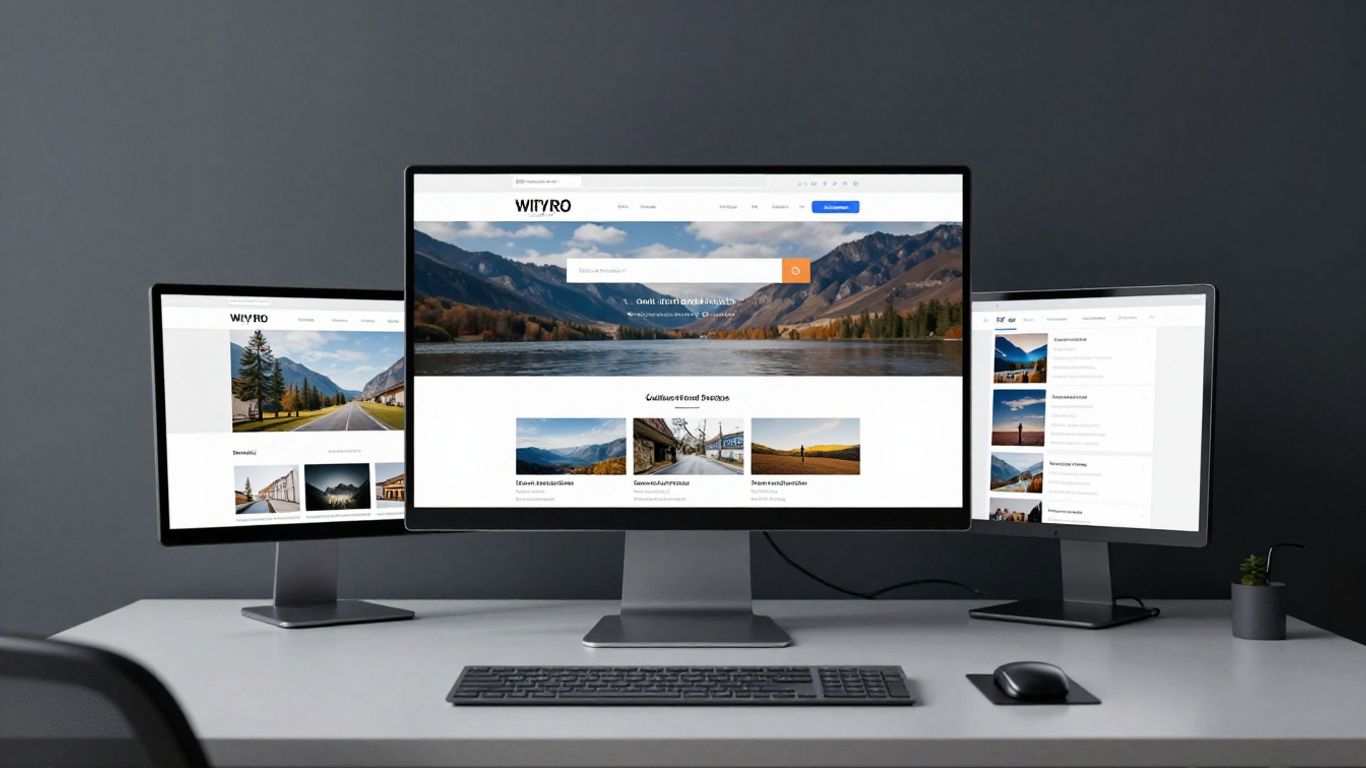
Establish a clear cultural vision by identifying core values before creative work begins.
Key Takeaways
Establish a clear cultural vision by identifying core values before creative work begins.
Balance aesthetic authority with accessibility to reach diverse arts audiences.
Use a detailed brief to outline project scope and technical long-term constraints.
Align brand personas with donor and participant engagement strategies.
Structure feedback loops to manage multi-stakeholder approval processes efficiently.
Defining the cultural vision
Successful rebranding in the arts requires deep institutional alignment before a single asset is designed. Organisations often struggle when they bypass this foundational stage, leading to visual identities that feel detached from their mission. By focusing on internal clarity, you create a stronger foundation for creative teams to interpret your narrative.
Identifying core institutional values
Articulate the enduring beliefs that govern your organisation to ensure the creative direction remains authentic. When values are clearly defined, they act as a filter for all design decisions. At Noran Design, we assist organisations in translating these intangibles into actionable strategic foundations.
Analysing the existing aesthetic heritage
Your history provides both a constraint and an opportunity for innovation. Evaluate archives to understand what elements of your visual identity still resonate with current stakeholders. This audit ensures the new direction feels like an evolution rather than an abrupt, disconnected departure from established branding.
Establishing the ‘why’ behind the rebranding
Purpose is the primary driver of any effective cultural transformation. Clearly state if you are addressing declining engagement, shifting your mission statement, or modernising stagnant digital touchpoints. This rationale will guide your designers when making aesthetic trade-offs during development.
Mapping cultural shifts within the arts sector
Stay informed about contemporary design movements while maintaining your unique artistic voice. By monitoring how similar organisations communicate, you can identify opportunities to differentiate your brand effectively. Understanding current trends prevents a dated look while avoiding the pitfall of copying transient movements.
Translating brand strategy into visual goals
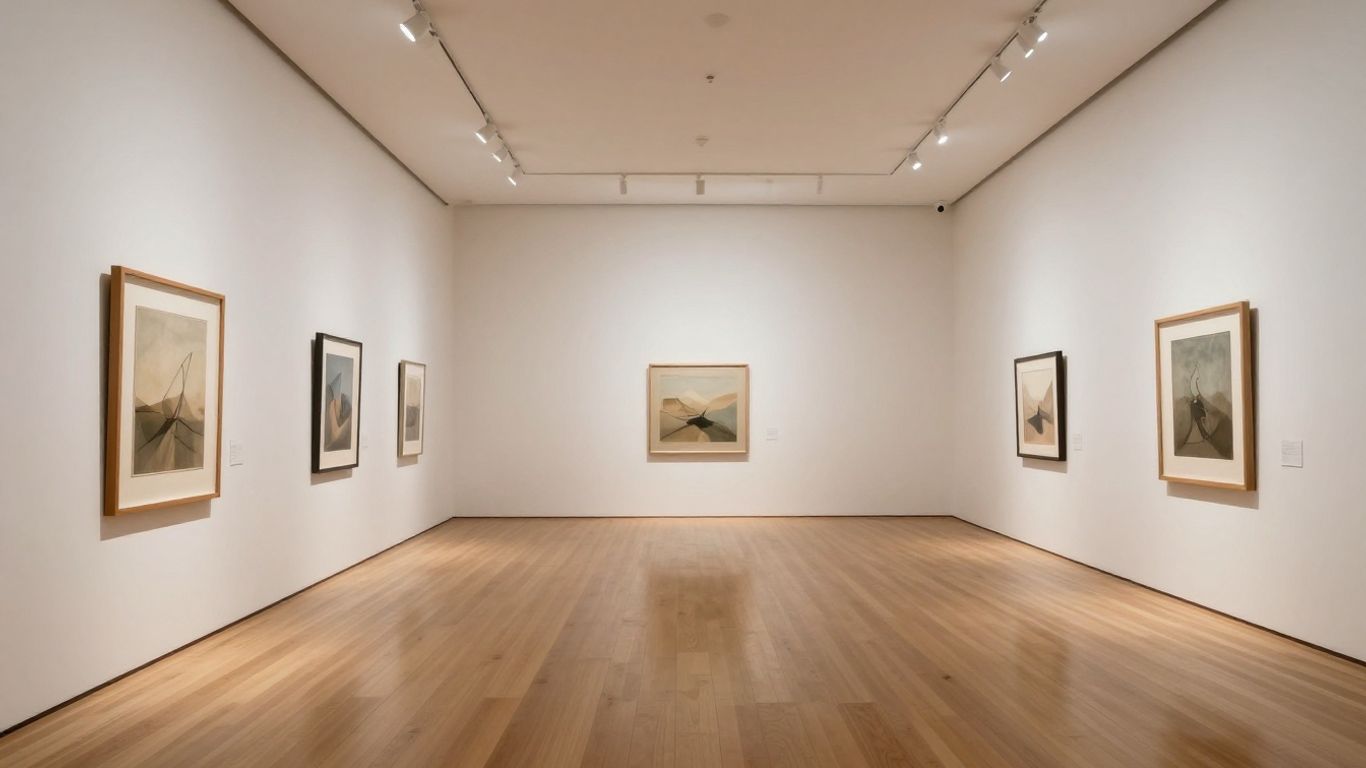
Translating high-level strategy into specific visual outputs requires a bridge between your core narrative and aesthetic execution. Designers need explicit guidance on the mood, tone, and functional requirements of the intended identity. This stage ensures that creative work meets rigorous institutional expectations.
Balancing accessibility with artistic authority
Inclusive design is a hallmark of modern cultural institutions. Projects like visitor journey mapping show that clear communication improves engagement, yet it must never compromise your aesthetic integrity. Striving for accessibility ensures your message is inviting to everyone from casual visitors to seasoned donors.
Interpreting abstract thematic concepts visually
Creative teams thrive when provided with concrete metaphorical starting points. Instead of vague descriptors, share mood boards that represent your desired atmosphere. This guidance helps the designer align visual metaphors with your organization's specific creative tone.
Defining the emotional tone of the new identity
Is your institution serious, provocative, or community-focused? Clearly defining this tone early avoids costly revisions later on. Consistent emotional resonance across all channels will strengthen your impact in a crowded cultural landscape.
Prioritising legacy against modern innovation
Retaining essential brand elements helps ensure long-term stability for your identity. We often see organisations that fail to distinguish their heritage from their future; ensuring this balance is vital for longevity. You must build effective digital operations that respect where you come from while clearly signalling your future growth.
Essential components of a design brief for arts organisations

A well-structured brief creates the necessary scaffolding for a creative project to flourish. It prevents assumptions and aligns all parties on the desired outcome. The following components act as a foundational template to keep your team on track.
Defining project scope and specific asset requirements
Clearly list the deliverables needed to support your goals. A comprehensive overview allows the creative team to estimate effort accurately. Referencing a standard design brief guide can help you ensure no crucial technical or functional assets are overlooked during the planning phase.
Identifying cultural competitors and industry benchmarks
The competitive landscape for cultural institutions is dynamic, necessitating a clear view of your positioning. Comparing your goals against industry standards ensures that your approach remains relevant and competitive. The table below outlines how to evaluate potential partners based on project requirements:
Assessment Factor | Importance | Primary Goal |
|---|---|---|
Strategic Alignment | High | Matching mission |
Creative Depth | Moderate | Unique visual voice |
Technical Scalability | High | Future-proofing assets |
Specifying technical constraints for long-term usage
Consider how your digital infrastructure must scale to support shifting content needs over time. Noran Design offers expertise in creating sustainable systems that allow for modular growth. By defining these technical requirements upfront, you avoid the need for expensive platform redesigns as your organisation grows.
Establishing realistic project timelines and milestones
Complex rebranding projects require clear, phased objectives to maintain momentum. Establish specific dates for concept review and final delivery to keep all stakeholders aligned. This keeps the creative phase from spiralling and ensures your team meets internal deadlines effectively.
Managing brand personas and audience segments
Profiling donor versus participant demographics
Different audiences require distinct messages, even within a single brand identity. Your donors might value prestige and mission, while new participants seek accessibility and connection. Understanding these nuances helps the design team craft flexible visuals that appeal to disparate user groups simultaneously.
Communicating inclusivity and accessibility goals
Modern branding must account for diverse needs, including digital accessibility (WCAG 2.1 AA). By integrating these requirements into the brief, you ensure the design is usable by all patrons regardless of their physical or cognitive abilities. This fundamental commitment to inclusivity serves your ultimate mission.
Ensuring visual consistency across physical and digital channels
Maintaining a unified identity requires diligent attention to every touchpoint. Consider the following key areas for verification:
Digital website interface consistency
Print signage and wayfinding elements
Social media branding templates
Email newsletter layout hygiene
Consistency builds trust, turning a disjointed experience into a coherent journey for your visitors.
Aligning aesthetic choices with community engagement strategies
Visual design should actively invite feedback and participation from your local community. When your aesthetics reflect your engagement goals, you turn passive viewers into active supporters. Ensure your designers understand the grassroots nature of your community work to create a sense of belonging.
Facilitating effective feedback and collaboration
Setting meaningful KPIs to measure creative success
Define what success looks like in measurable terms, such as increased site traffic or donation volume. These metrics provide an objective lens through which to evaluate design concepts. This replaces subjective "I like this style" debates with outcome-based discussions.
Structuring feedback loops for specialist creative teams
Designers succeed when feedback is centralized and specific. Avoid sending fragmented comments from multiple departments; instead, designate a single point of truth to synthesise feedback. This prevents the creative team from feeling pulled in conflicting directions by internal bureaucracy.
Managing complex multi-stakeholder approval processes
Identify all decision-makers early and confirm their roles in the approval chain. When stakeholders understand their involvement, the process moves efficiently. Noran Design emphasises this structured communication, ensuring that project momentum is preserved through clear, decisive approval stages.
Documenting iterative changes throughout the design process
Keep a clear record of feedback and subsequent design modifications to track the project's evolution. This audit trail is essential if you need to revisit earlier decisions. Documentation ensures that the lessons learned during the creative process remain available for future initiatives.
Conclusion
Rebranding within the arts is an exercise in balancing profound institutional history with the demands of a modern digital future. By investing quality time into a comprehensive design brief and maintaining internal alignment, you pave the way for a visual identity that is both authentic and resilient. Success comes from partnering with experts who understand the intersection of cultural mission and professional execution, ensuring your brand grows alongside your community.
Frequently Asked Questions
Why is a design brief so important for arts organisations?
A design brief provides the necessary clarity to align institutional mission with visual execution, preventing misinterpretations and ensuring that creative work remains focused on your unique cultural objectives.
How do you balance artistic freedom and accessibility?
Accessibility is an extension of your artistic mission, not a compromise. By incorporating user-focused design principles early, you expand your reach without sacrificing the creative integrity that defines your organization.
How can you set realistic expectations for a rebranding project?
Use clear milestones, defined deliverables, and open communication with your creative team. Documenting your scope early helps you anticipate challenges and ensures you arrive at your final goals on schedule.
What should be included in a design brief for an arts project?
An effective brief includes project scope, core mission statements, aesthetic benchmarks, technical requirements, and target audience segments to guide the creative process from start to finish.
How should feedback be managed during a design process?
Centralise all comments through a designated lead to avoid conflicting instructions. Providing specific, outcome-driven feedback helps designers refine work effectively without losing the project’s original focus.
What is the advantage of a long-term branding strategy?
A sustainable branding strategy provides a foundation for growth, allowing your design system to evolve as your programs change rather than requiring frequent, costly, and disjointed redesigns.
How do you ensure visual consistency across different channels?
Maintain a shared library of guidelines, assets, and design components. Regularly auditing your digital and physical touchpoints ensures that every visitor experiences a unified and professional brand representation.