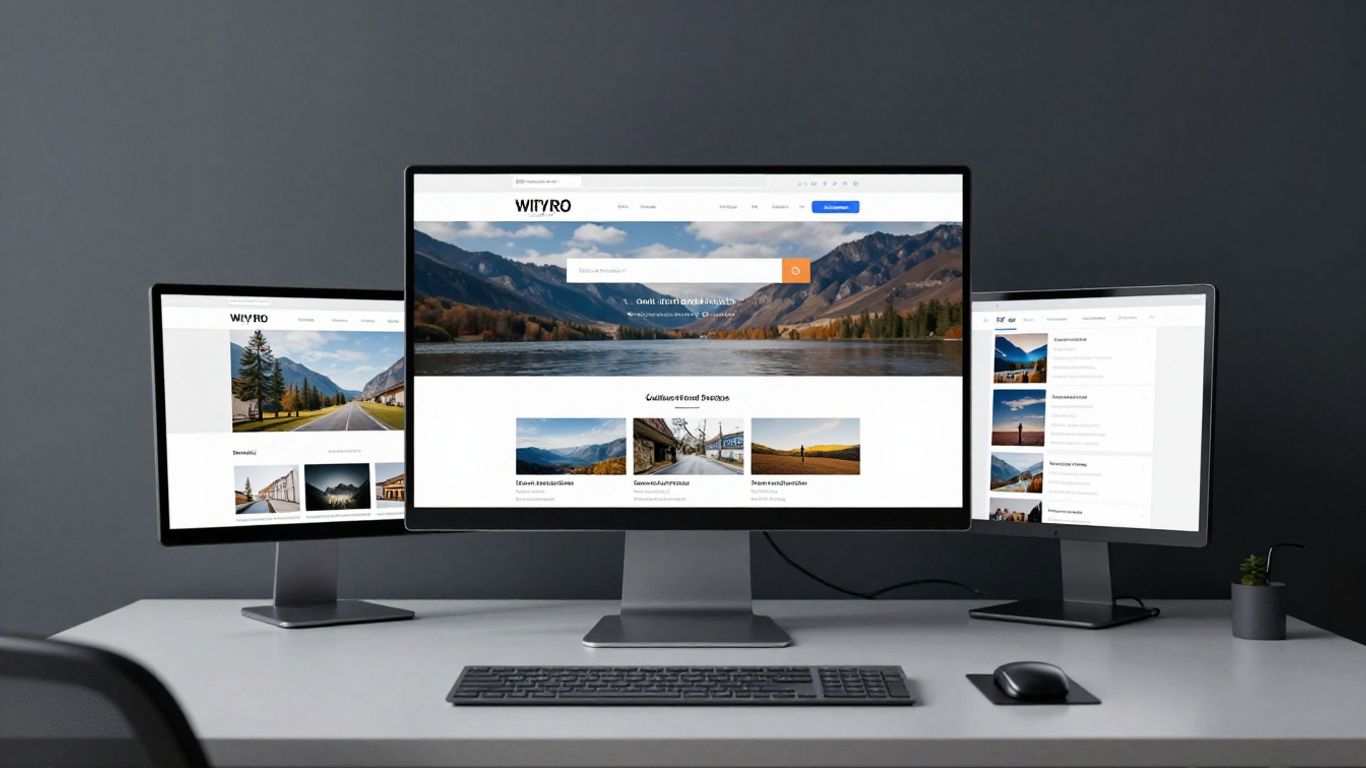
**Strategic alignment**: Real digital value stems from aligning organizational values with a clear digital mission that enhances the visitor experience.
Key Takeaways
Implementing a robust digital strategy is essential for modern cultural institutions looking to remain relevant, engage visitors, and secure vital funding.
Strategic alignment: Real digital value stems from aligning organizational values with a clear digital mission that enhances the visitor experience.
Evidence-based decision-making: Technical audits, CRM data, and competitive benchmarking are essential to construct realistic visitor personas.
Channel-specific content: Adapting narratives for short-form video and using targeted email flows optimizes conversion and community engagement.
Integrated operational systems: Combining digital touchpoints with physical attendance data ensures accurate measurement of key performance indicators.
Long-term growth culture: Overcoming resource constraints requires cultivating internal digital literacy and securing buy-in for structural investment.
The synergy between digital strategy and audience development
For cultural institutions, implementing a structured digital strategy for arts organisations is no longer an optional creative experiment. Instead, it forms the bedrock of how modern institutions build lasting, compounding relationships with their visitors. When alignment exists between an organisation's artistic vision and its online platforms, technology acts as an amplifier rather than a distraction.
Defining your organisational values and digital mission
Every effective digital strategy must begin with a clear understanding of the institution's core mission. Systems and platforms should only be deployed if they directly reflect and support your artistic values. Without this grounding, organisations risk chasing temporary digital trends that feel detached from their physical galleries or theatres.
How digital tools transform the patron experience
Modern digital tools allow arts organisations to design seamless interactions that begin long before a visitor steps through the physical doors. By smoothing out friction in booking systems, providing interactive pre-visit guides, and streamlining post-event follow-ups, technology enhances the physical experience rather than replacing it.
Balancing artistic integrity with audience demands
There is a natural tension between keeping true to a challenging artistic vision and meeting the commercial expectations of modern audiences. Successful digital engagement resolves this by using digital spaces not to simplify the art, but to provide the contextual layers that make complex work accessible to diverse interest groups.
Auditing your current digital landscape
Before implementing new digital initiatives, you must conduct a pragmatic and honest assessment of your current online footprint. Many organisations suffer from fragmented interfaces and outdated infrastructure that frustrate users and limit long-term growth. Undertaking a comprehensive audit identifies structural gaps and sets a realistic baseline for improvement.
Evaluating existing content performance and engagement metrics
Understanding how your current digital content performs is key to optimizing future efforts. This means moving past simple view counts to analyze true engagement, such as time spent on key educational resources or newsletter click-through rates. By reviewing past performance, you can see which pieces of content actually drive deeper connections.
Assessing technical infrastructure and website accessibility
Your digital home must be built on accessible, reliable technology. Sites that suffer from slow load times or fail to meet WCAG 2.1 AA accessibility guidelines actively push potential visitors away. Ensuring your platform works smoothly across all mobile devices and is readable for everyone is a critical threshold for any public-facing cultural entity.
Competitive benchmarking within the arts sector
While your organisation is unique, you are competing for people's finite leisure time against a highly sophisticated commercial entertainment industry. Benchmarking your digital experience against both peer institutions and commercial platforms reveals what visitor expectations look like. Applying insights on design systems from Noran Design can help identify areas where your current web structures falling short of modern digital standards.
Mapping audience segments for your organisation
Knowing your audience means moving beyond broad, generic categories to build sophisticated, data-backed models. A masterfully crafted digital presence recognizes that a patron who has supported an organisation for decades expects a completely different online journey than a first-time local visitor discovering an exhibition on social media.
Identifying core, peripheral, and prospective visitor groups
Dividing your audience into distinct categories helps prioritize where to direct your digital efforts. Core audiences require strategies focused on loyalty and deep engagement, peripheral groups need gentle encouragement to attend more often, and prospective segments need low-barrier discovery paths. Exploring how a prominent museum transformed visitor experience by rewriting their map of the visitor journey shows how critical this segmentation is to achieving a sustainable, compounding return visit strategy.
Utilising CRM data to create granular audience personas
Modern Customer Relationship Management (CRM) databases hold the keys to practical, high-value profiling. By looking at actual booking histories and donation patterns, you can create realistic personas. These profiles stop you from designing empty campaigns and instead help build digital infrastructure that values the concrete context of your users' interactions.
Moving beyond demographics to psychographic insights
To build a highly effective digital presence, you must understand the underlying motivations of your visitors. Rather than focusing solely on age and postcode, look at why people attend. The following categories help segment visitors by their underlying expectations:
Social Connectors: Individuals seeking cultural events primarily as a backdrop for spending meaningful time with friends or family.
Aesthetic Seekers: Enthusiasts focused on deep artistic contemplation, seeking detailed commentary and curation notes.
Experiential Explorers: Curious modern discoverers looking for unique, immersive, or highly shareable cultural moments.
Understanding these distinct motivations allows you to design online contexts that match their real-world goals, ensuring your digital strategy delivers lasting value.
Strategic channel selection for arts promotion

Not all digital channels are created equal, and attempting to maintain a constant presence on every platform is a quick route to staff burnout. Instead, institutions must choose channels strategically, matching the demands of specific platforms with the unique strengths of their creative team and the habits of their target segments.
Optimising social media for artistic expression and community building
Social channels shouldn't merely function as digital noticeboards for upcoming show dates. Instead, they should act as spaces where the artistic character of your organisation can live. Producing native platform content allows your digital presence to spark conversations, cultivate communities, and build trust without requiring users to immediately click away.
Leveraging email marketing for donor retention and ticket sales
Email remains one of the most reliable channels for driving both direct box office sales and philanthropic support. Rather than relying on generic, monthly newsletters sent to your entire database, modern email marketing should utilize automated journeys based on action triggers. The table below outlines how specific automated sequences can be deployed to nurture your audience segments systematically over time:
Sequence Name | Target Audience Segment | Primary Strategic Goal | Key Performance Metric |
|---|---|---|---|
New Visitor Welcome | First-Time Ticket Buyers | Operational onboarding & retention | Click-through rate & next-purchase window |
Post-Visit Follow Up | Attended within past 48 hours | Gathering feedback & donor soft-ask | Response rate & survey completion |
Re-engagement Flow | Inactive subscribers (6+ months) | Re-igniting interest in new seasons | Email open rate & list hygiene |
Structuring your communication in this structured manner ensures that your messaging remains relevant, personal, and highly effective, directly protecting your subscriber lists from high unsubscribe rates.
The role of SEO in driving organic discovery for exhibitions and events
When people search for things to do in their local area, your events must appear prominently. Investing in search engine optimization (SEO) is a long-term strategy that secures continuous, organic discovery. This means structuring event pages cleanly, using natural vocabulary that reflects real-world search queries, and maintaining proper metadata to help search engines index your cultural programs effectively.
Crafting compelling narratives for digital platforms
Excellent digital storytelling is the bridge that connects artistic output with digital interest. By making complex creative processes visible, arts organisations build a profound sense of shared ownership, bringing the audience alongside the artists on their creative journey.
Adapting artistic content for short-form video and social stories
Taking full-length theatrical works or vast physical exhibitions and reshaping them for mobile consumption is a balance. It requires extracting brief, powerful moments that retain their artistic point while working native to fast, vertical video formats that capture attention instantly within social feeds.
The importance of behind-the-scenes content in building trust
Audiences are deeply fascinated by what happens out of public sight. Sharing rehearsal footage, conservation efforts, or interviews with set designers demystifies the creative process. This transparency helps humanise your institution and builds a level of trust that simple promotional posters can never match.
Creating accessible content for diverse audience needs
Designing digital narratives must include accessibility from the very beginning. This means integrating straightforward practices like accurate closed captioning on all videos, alternative text descriptions for images, and designing clean page layouts. Cultivating these inclusive digital environments ensures your creative work can be discovered and loved by everyone, regardless of technical ability.
Measuring and evaluating digital performance
To guarantee that your investments in digital channels produce results, you need a robust framework for measurement. Arts organizations can sometimes get sidetracked by vanity metrics, such as simple social media likes, while missing the critical data points that demonstrate genuine operational growth and community return.
Identifying key performance indicators (KPIs) for the arts
Your chosen digital key performance indicators should align directly with your overall organizational aims. These might focus on structural growth, like increasing the conversion rate of local searchers into ticket buyers, or engagement depth, like growing repeat visit frequencies. Cultivating compounding results over time requires moving beyond isolated campaigns to focus on health metrics that map directly to your commercial and artistic resilience.
Tools for tracking customer journeys from digital touchpoints to physical attendance
Evaluating the relationship between online exploration and physical attendance is crucial. By integrating tracking tools across web bookings, email workflows, and box office software, you gain a clear, unified view of the patron's path. For organizations looking to implement these robust analytics frameworks, Noran Design works closely with clients to build digital infrastructure that tracks these touchpoints precisely.
Using feedback loops to refine your digital engagement strategy
Data should never simply sit in a spreadsheet; it must actively shape your creative output. Regularly reviewing your analytics creates a feedback loop that lets you discard initiatives that fail to resonate, while expanding on those that do. This iterative cycle keeps your digital output dynamic, effective, and responsive to your actual community's behavior.
Challenges in implementing digital strategies at scale
Scaling digital strategy presents hurdles that are rarely purely technical. Instead, the most common bottlenecks are organizational, relating to internal priorities, limited funding timelines, and a natural hesitation within traditional arts structures to fully embrace digital change.
Navigating resource constraints and team capacity
Many arts organisations operate with small teams where marketing staff are already stretched thin. Adding complex digital obligations without shifting existing priorities can lead to exhaustion. Addressing this challenge requires simplifying workflows, building reusable templates, and establishing clear priorities about which channels to focus on.
Building a culture of digital literacy within creative teams
To succeed long-term, digital tools should not belong exclusively to the IT or marketing department. Digital literacy needs to be fostered across the entire creative team, including curators, directors, and educators. When your creative leaders understand what digital platforms can achieve, they can actively incorporate technology into the art-making process from day one.
Securing internal buy-in for long-term digital investment
Because digital development builds value gradually over months and years, getting immediate backing from boards concentrated on short-term budgets can be challenging. Showing how consistent digital platforms build brand equity and long-term financial resilience is key. Partnering with a specialist like Noran helps teams secure this internal buy-in by showing clear, strategic paths to sustainable, compounding growth without adding a permanent full-time head.
Conclusion
A modern digital strategy is not a superficial layer applied to the work of arts and cultural organizations; it is a fundamental pillar of how institutions cultivate community, build organizational resilience, and preserve creative integrity in a connected world. By setting a clear digital mission, systematically auditing technical performance, and creating structured, context-informed pathways for patrons, cultural organizations ensure their art stays accessible and deeply valued. Investing in sustainable digital infrastructure builds the operational strength needed to let creative voices truly flourish to their fullest potential.
Frequently Asked Questions
Why do arts organisations need a formal digital strategy?
A formal digital strategy ensures that your technology investments directly support your artistic mission and operational goals. Without a written roadmap, organisations often waste resources on disconnected digital experiments that fail to deepen audience engagement or build long-term business resilience.
How does digital strategy help with audience development in the arts?
Digital tools allow organisations to personalize how they communicate with different visitor groups, smoothing out booking friction and providing detailed artistic context. By offering relevant content tailored to unique motivation segments, you can guide casual online visitors into becoming active, repeat physical attendees.
What are the main challenges when auditing an arts organisation's digital setup?
The principal challenges are overcoming fragmented legacy platforms, identifying hidden gaps in website accessibility (WCAG 2.1 AA), and gathering consistent data from isolated software systems. A thorough audit clarifies which tools are underperforming and helps direct investments where they will deliver the greatest structural benefit.
How can organisations measure the impact of their digital storytelling?
Impact goes beyond basic view counts to focus on depth of engagement. Organizations should track metrics such as average video watch times, newsletter subscription signups from digital stories, and eventual ticket conversions from users who engaged with digital content before purchasing.
What is a design system and why does our website need one?
A design system is a comprehensive library of reusable visual components and guidelines that ensures brand consistency across all digital touchpoints. For arts organisations, implementing a unified design system cuts design production times, eliminates visual bugs, and makes technical accessibility much easier to maintain.
Can a digital strategy succeed with limited staff and a small budget?
Yes, by prioritizing small, impactful steps rather than attempting to be active on every channel at once. By focusing on a clean, accessible website, automating key email sequences, and establishing simple, repeatable workflows, resource-constrained teams can still build highly effective digital operations.
Why is understanding psychographics more useful than simple demographics?
Demographics only tell you who your visitors are, whereas psychographics explain why they attend cultural events in the first place. Mapping these underlying motivations—like seeking social connection or searching for deep creative learning—allows you to shape digital contexts that align perfectly with their goals.