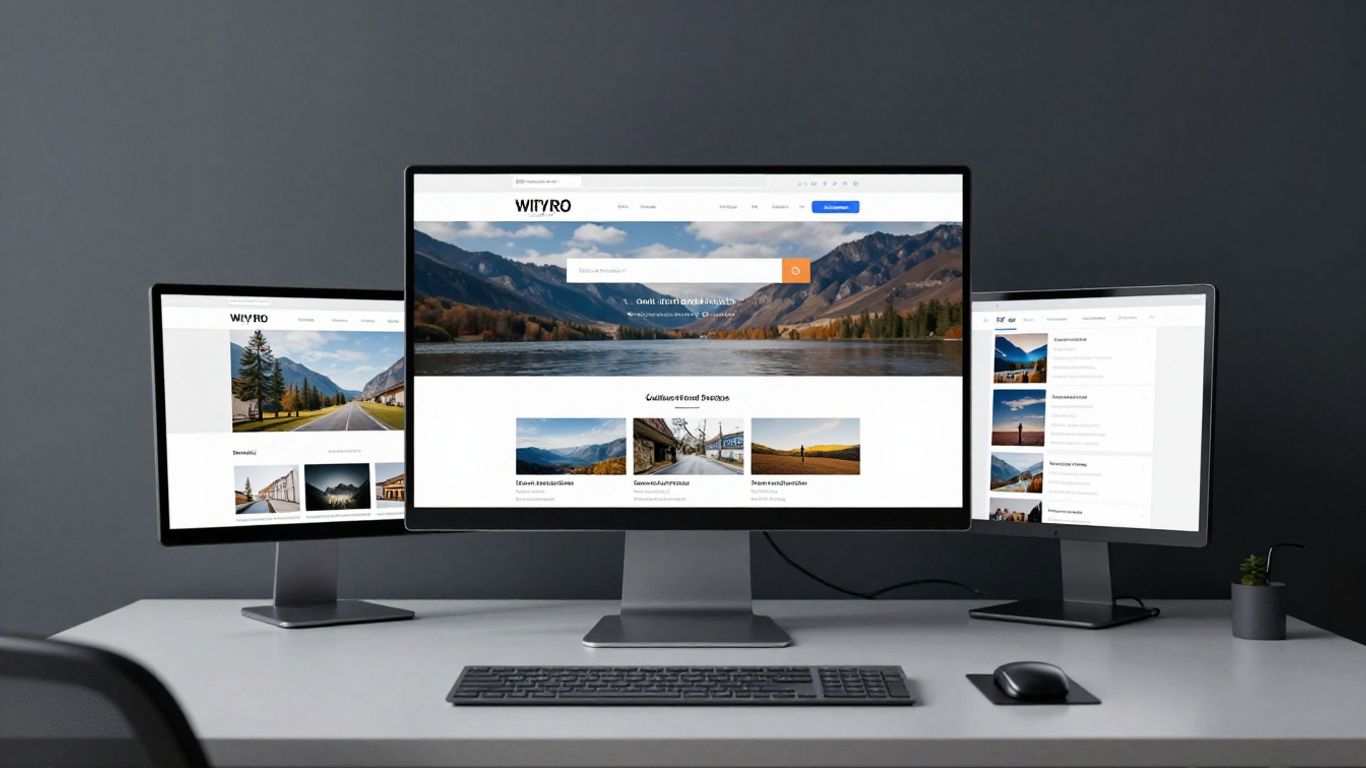
Branding involves defining the core purpose and values that differentiate an organisation.
Key Takeaways
Effective communication in the cultural sector relies on more than just aesthetic choices; it requires a deep alignment between institutional mission and external expression. By building a unified approach, organisations can ensure their long-term sustainability and cultural impact.
Branding involves defining the core purpose and values that differentiate an organisation.
Visual consistency across digital and physical spaces reinforces audience trust.
Strategic design transforms abstract institutional values into actionable and relatable visitor experiences.
Consistent touchpoints help cultivate long-term community relationships rather than transactional visits.
A methodical approach to a brand refresh mitigates internal friction and ensures stakeholder buy-in.
Defining branding for arts organisations
Branding for arts organisations is often misunderstood as a purely superficial update to logos or colour palettes. In truth, it is the strategic foundation that allows a cultural institution to communicate its purpose, relevance, and role within the community. For many, Noran serves as a partner in clarifying these goals, ensuring that every design choice supports the broader mission.
Differentiating between brand identity and marketing
Marketing often focuses on the promotion of specific events or exhibitions to drive immediate attendance numbers. Conversely, brand identity is the long-term work of establishing who an organisation is and what it represents in the minds of its audience, which is an essential distinction explored in cultural branding courses. While campaigns may come and go, a strong brand identity remains the constant thread connecting diverse programming over many years.
The role of storytelling in cultural institutions
Storytelling allows a gallery or theatre to translate its complex artistic collections into a narrative that resonates with the public at a human level. By shifting the focus from internal institutional jargon to the shared experiences of visitors, organisations can cultivate deeper emotional connections. This process of intentional storytelling transforms abstract concepts into meaningful interactions, helping institutions articulate their unique contribution to society through strategic design.
Identifying your unique organisational voice
Every arts organisation carries a specific institutional history, yet many struggle to express it consistently across various platforms. Identifying your voice means choosing a tone and perspective that remains stable even when the subject matter of an exhibition changes. Organisations that successfully define this voice often benefit from a brand-led approach to their communication, ensuring that their institutional essence is never diluted.
Why artistic integrity requires cohesive branding
There is often a concern that branding might compromise artistic independence or lead to commercialisation. However, cohesive branding acts as a frame, drawing focus toward the artwork rather than distracting from it. When aesthetic standards are managed with care, they protect the institution's vision and create a professional environment that respects both the artist's intent and the audience's expectations, demonstrating a commitment to consistency.
Core pillars of visual identity
Your visual system is the primary language through which visitors perceive your organisation before they even step through the doors. Developing a robust identity requires a careful balancing act between accessibility and artistic expression.

Typography as a messenger of style
Typography carries significant psychological weight, conveying everything from academic authority to playful experimentation. By carefully selecting typefaces that align with your institutional personality, you create a baseline for all future communication. Consistency in these choices is vital, as it allows your audience to recognise your materials and understand the level of formality or innovation inherent in a particular exhibition.
Colour psychology in exhibition and performance spaces
Colour influences how visitors navigate your physical and digital spaces, setting the mood before they even read a headline. An effective colour strategy uses a primary palette for the brand at large, balanced by secondary ranges that can adapt to different programme cycles. Using these colours purposefully helps ensure that distinct zones or departments remain recognisable as parts of one whole.
Creating a flexible logo system for diverse assets
For large institutions, a rigid logo can sometimes be a hindrance when applied to varied merchandise, digital icons, or signage. A flexible logo system uses modular components that scale appropriately according to the medium. The following table illustrates how these modular assets function:
Asset Type | Primary Usage | Visual Requirement |
|---|---|---|
Wordmark | Institutional stationery | High legibility |
Icon Mark | Social media avatars | Minimalist impact |
Full Lockup | Official event banners | Context-heavy clarity |
This adaptability ensures that your branding is always appropriate for its context while remaining distinctly your own.
Imagery standards that reflect artistic vision
Imagery standards define how photography and video represent your work, preventing a hodgepodge collection of mismatched visual assets. By establishing guidelines for lighting, framing, and tone, you ensure that every image supports the overarching artistic vision. Such diligence in digital operations maintains the perceived quality of your content, which significantly influences how audiences value your work.
Translating mission and values into design
Design is where strategy meets action, turning institutional values into a tangible experience for the visitor. This process requires a shift in perspective, moving from internal requirements toward the actual needs of your target audience.
Auditing your existing brand assets
Before launching a redesign, you must understand the current state of your visual and strategic materials. A comprehensive audit highlights where consistency has broken down and identifies which assets remain effective. This helps in building a source of truth that guides future design decisions, ensuring that resources are never wasted on reinventing existing solutions.
Visualising accessibility and inclusivity goals
Accessible design is not just a regulatory hurdle; it is a vital part of building trust with your entire community. By auditing your web properties and physical signage for compliance and inclusivity, you signal that your organisation welcomes everyone equally. This approach often leads to increased audience engagement and loyalty, forming the bedrock of a healthy institution.
Aligning stakeholder buy-in during the design process
Getting stakeholders on board early prevents friction and ensures that the final output aligns with the collective goals of the organisation. When you involve board members, curators, and management in the strategic phases, the design becomes a shared success rather than a top-down mandate. Partnering with a team like Noran can help facilitate these conversations, moving beyond standard agency friction to build collaborative solutions.
Balancing institutional heritage with contemporary design trends
Many arts organisations struggle to modernise without discarding the institutional legacy that defined their past success. One effective method is to retain core heritage elements—like a specific typographic nod or colour history—while updating the overarching system for contemporary digital screens. Here are the steps to maintain this balance:
Identify the core aesthetic markers that embody the institution's history.
Integrate modern responsive design principles for better browser experiences.
Streamline navigation paths for visitors to reduce cognitive load.
Apply current design standards to update digital interface clarity.
Engaging audiences through consistent touchpoints
Engagement is not merely about attracting visitors; it is about keeping them connected once they leave your space. A consistent experience across every channel reinforces the value you provide, especially when the digital experience is carefully aligned with physical reality.
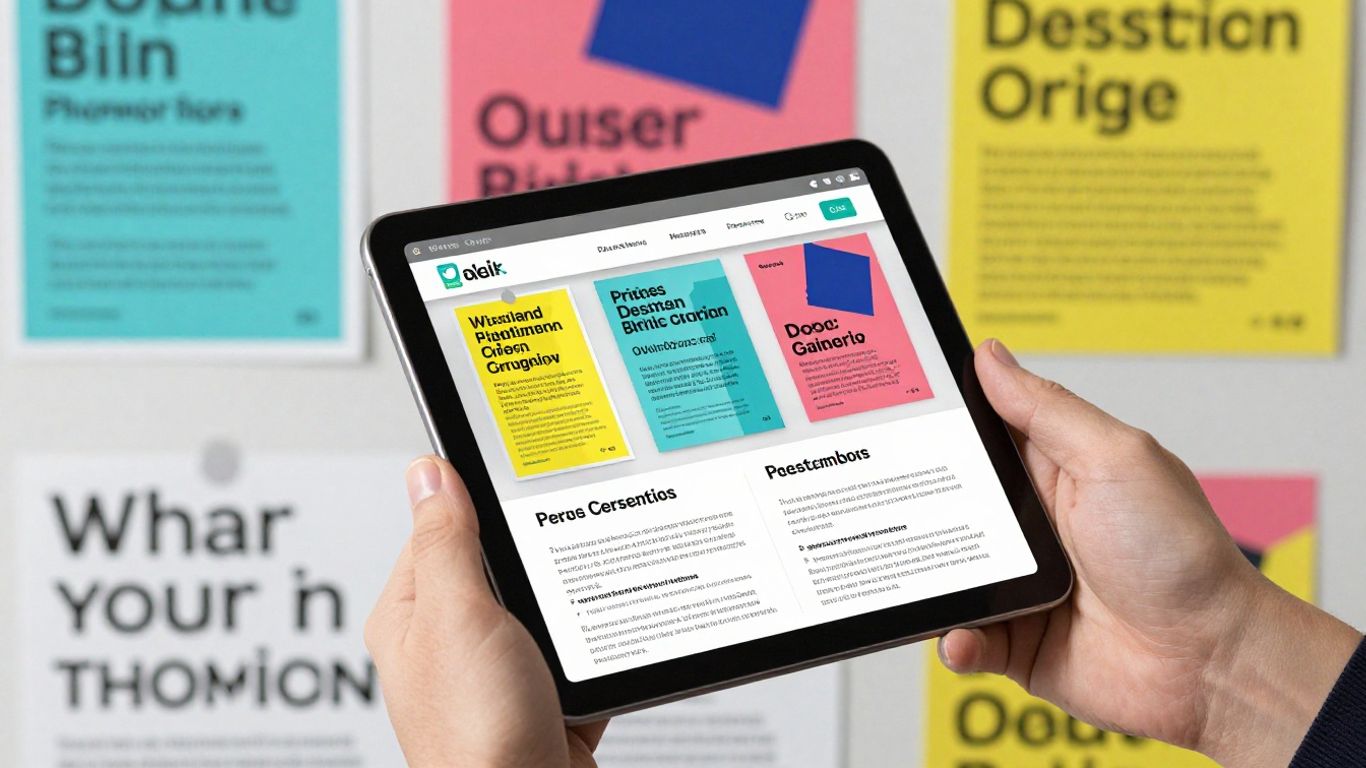
Designing seamless digital experiences for visitors
Your digital platform acts as the entry point for most visitors to your venue, making ease of use paramount. When you focus on creating a high-performing website that bridges the virtual world and the gallery floor, you turn simple curiousity into a sustained relationship. Digital maturity is the key to ensuring your online tools serve your mission effectively.
Print and ephemeral design in physical venues
Even in a digital-first era, physical touchpoints like brochures, tickets, and exhibition guides remain powerful physical reminders of your brand. These items should echo the tone of your digital presence while offering tactile value that a website cannot replicate. This coherence confirms that every part of your institution belongs to the same thoughtfully considered system.
Maintaining brand cohesion across social media channels
Social media is often the most dynamic place for audience dialogue, yet it is also where many organisations lose visual focus. Maintaining a consistent design library and clear content guidelines helps your team post with confidence. This ensures that every update, whether it's a temporary post or a permanent archive, builds upon the same institutional reputation.
Signage and wayfinding as extensions of the brand
Wayfinding is perhaps the most critical brand touchpoint because it directly impacts the visitor's sense of ease and comfort. Well-executed signage guides people intuitively through your space, reducing the need for constant questioning. As noted in visitor revitalisation studies, small, strategic fixes in orientation and wayfinding can have a massive impact on visitor sentiment and return visitation rates.
Managing brand reputation and trust in the arts
Trust is the most valuable currency for any cultural organisation, and it is largely built on how you handle your relationship with the public. Credibility arrives when your intentions, behaviours, and public messaging consistently align.
Building community connection through authenticity
Authenticity comes from speaking to your community with a voice that is clearly your own, not merely mimicking current social trends. When an organisation expresses its genuine values through its work, it builds long-term connections that are resilient to external shifts. For cultural institutions, this transparency is often what converts casual observers into deeply involved members.
Handling public feedback and perception shifts
Feedback is inevitable in the cultural sector, but it should be viewed as data rather than a critique of your core identity. By listening to public perception, an organisation can adjust its tactical plans without losing its fundamental mission. Managing these shifts successfully requires a steady hand and a clear, well-communicated internal policy regarding feedback.
Transparency and ethical branding practices
Ethical branding requires radical honesty about how your institution operates, from how it manages its collections to how it engages with corporate partners. By being clear about these practices, you foster a culture of accountability that the public respects. A brand that hides its processes will always be viewed with suspicion, whereas an open one remains robust.
Long-term strategic brand management
Branding is never truly finished; it is a lifecycle of maintenance, review, and evolution. Noran, as a studio, focuses on building these lasting systems because they compound over time, providing more value than a single, one-off campaign ever could. This steady, iterative growth is how institutions ensure their brand remains resilient against the changing tides of cultural and media costs.
Practical steps for a brand identity refresh
Transitioning to a new identity is a significant phase in any organisation's development, requiring careful logistical planning to minimise disruption. A thoughtful, phased approach ensures that your staff remains supported and your output remains consistent throughout the update.
Conducting market and audience research
Data-driven research removes the guesswork from a brand refresh, ensuring you have a clear picture of what your audience needs. Interviews, surveys, and site analytics provide the objective foundation required to make informed decisions. This initial research phase is essential to validate that your refresh serves real audience goals rather than merely updating aesthetic preferences.
Developing an internal brand style guide
An internal guide is the central manual that keeps your team aligned. It should cover not just visual rules but also tone of voice and editorial standards. Having this document allows everyone from the front-of-house staff to the marketing team to speak with the same authority, ensuring professional standards remain uniform across every department.
Training staff to be brand ambassadors
Your staff members are the most direct representatives of your brand to the public. Providing them with the knowledge and resources to embody the new identity is as important as the design itself. Ongoing training prevents inconsistencies in communication and builds a culture where everyone feels invested in the success of the organisation.
Phased roll-out strategies for large cultural organisations
For larger institutions, a sudden, complete rebranding across all surfaces can be overwhelming and costly. A phased roll-out allows you to introduce changes in stages, starting with digital channels or the most public-facing materials. This creates a transition period that allows your audience to grow familiar with the new brand without feeling alienated by an overnight change.
Conclusion
Building an effective visual identity for an arts organisation is a long-term commitment that requires strategic clarity and an unwavering focus on the institutional mission. By balancing deep artistic integrity with practical, audience-centred design, institutions can create meaningful, lasting relationships within their communities while effectively managing their reputational impact. Success in this field is found not in the fleeting nature of modern trends, but in the enduring power of a cohesive identity that authentically reflects the work and the vision of the people behind it.
Frequently Asked Questions
Why should an arts organisation focus on branding?
A strong brand helps an organisation differentiate itself in a noisy leisure market, ensuring the public understands its unique mission and value proposition, which ultimately drives long-term sustainability.
How is brand identity different from marketing?
Marketing is typically focused on short-term goals like event attendance or ticket sales, whereas brand identity is a persistent, long-term strategy for building trust, recognition, and public understanding of your institutional purpose.
Can branding coexist with artistic integrity?
Yes, effective branding actually protects artistic integrity by providing a consistent, supportive framework that frames the work properly, ensuring that the audience's focus remains squarely on the art rather than messy, inconsistent presentation.
How often should an arts organisation refresh its brand?
Most organisations benefit from minor check-ins every few years to ensure alignment with current mission goals, while full-scale identity refreshes are typically only necessary when the organisation's core strategy or scope undergoes significant change.
How do you measure the success of a brand identity?
Success is seen in improved audience retention, higher levels of engagement with digital platforms, clearer feedback from visitors, and a more consistent, efficient operational process across all departments.
Should the design process involve public input?
While internal stakeholders, staff, and donors are essential to the design process, market research with your existing and potential audience is the best way to ensure the new identity resonates with the people you intend to serve.
What role does accessibility play in branding?
Accessibility is a fundamental pillar of modern branding, as an inclusive visual and digital system builds deep trust with a broader community, ensuring that your resources remain truly open to everyone.