For many teams, design feels like starting from scratch each time a new project begins. A design system changes that — but the value is compounding and takes time to become visible. Here is how to see it clearly.
What a Design System Actually Is
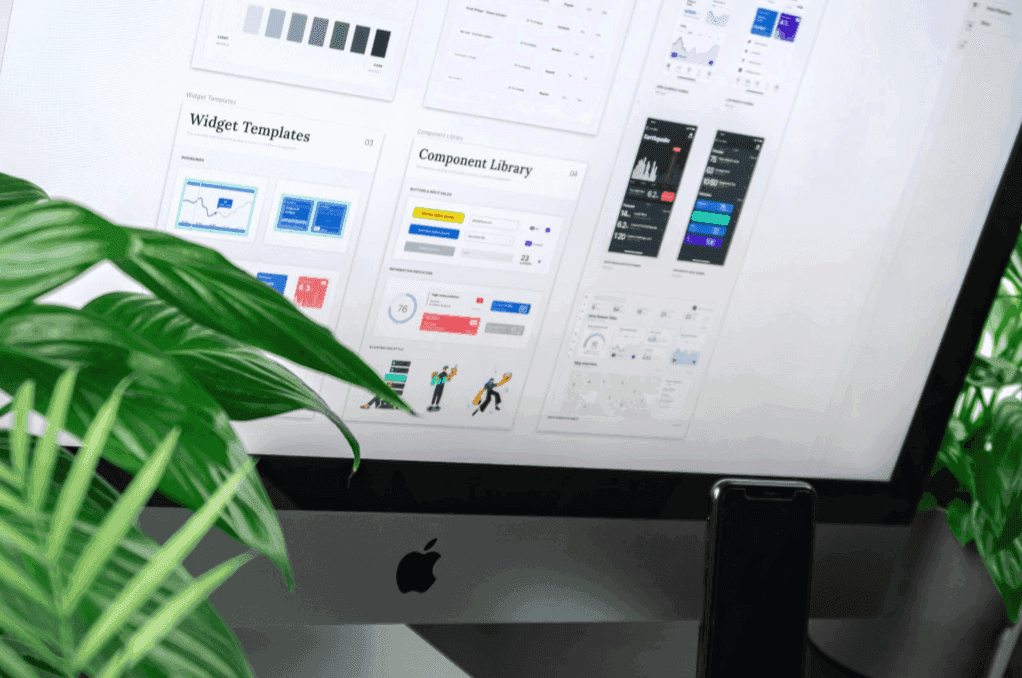
A design system is a shared collection of components, guidelines, and standards that your team uses to create consistent brand experiences. It works like a toolkit everyone draws from — whether they are designing a website, building an app, or creating marketing materials.
At its simplest: documented colours, typography, and spacing. At its most developed: a full component library with usage guidelines, accessibility notes, and code implementations. Most organisations need something between the two.
The Cost of Not Having One
Visible Costs
Repeated design work. Every time a button, a form, or a card layout is designed from scratch, the same decisions are made again. That is avoidable time — and avoidable budget.
Printing errors and digital formatting issues caused by brand inconsistency. Teams searching for the right file or the approved hex code. Developers rebuilding components that already exist in slightly different form in a previous project.
Invisible Costs
The most expensive cost of design inconsistency is the erosion of trust. When donors, clients, or users encounter different versions of your brand across touchpoints, the cumulative effect is a subtle but real reduction in credibility. It signals that the organisation lacks internal coherence — even when the work itself is excellent.
Where to Start
Audit What You Already Have
Before building anything new, inventory what exists. Collect every version of your logo, every colour in use, every font combination across your materials. Most organisations are surprised to find four or five unofficial variants already in circulation. That inventory is the starting point.
Define the Non-Negotiables
Three colours. Two typefaces. A spacing scale. A button style. A card layout. These are your system's core — the elements used on 80% of everything you produce. Start here. Add to it as patterns recur, not before.
Maintain It
A design system that is not maintained is a liability, not an asset. Assign ownership. Establish a quarterly review. Update the system when new patterns are established. The value of a design system is entirely dependent on the discipline with which it is kept current.